Loading...
SD
Rehab Centers in South Dakota
42 addiction treatment facilities
South Dakota struggles with methamphetamine and alcohol abuse, with indigenous communities disproportionately affected.
Key Statistics
17.2 per 100,000 residents
Drug Overdose Deaths
7.8% of residents have substance use disorder
Have Substance Use Disorder
21% of adults experience mental illness
Mental Health Prevalence
9% of those with SUD receive treatment
Receive Treatment
Treatment Centers in South Dakota
Showing 1-18 of 42
Addiction Recovery Centers of the Black Hills
Rapid City, SD
AlcoholCo-Occurring Disorders
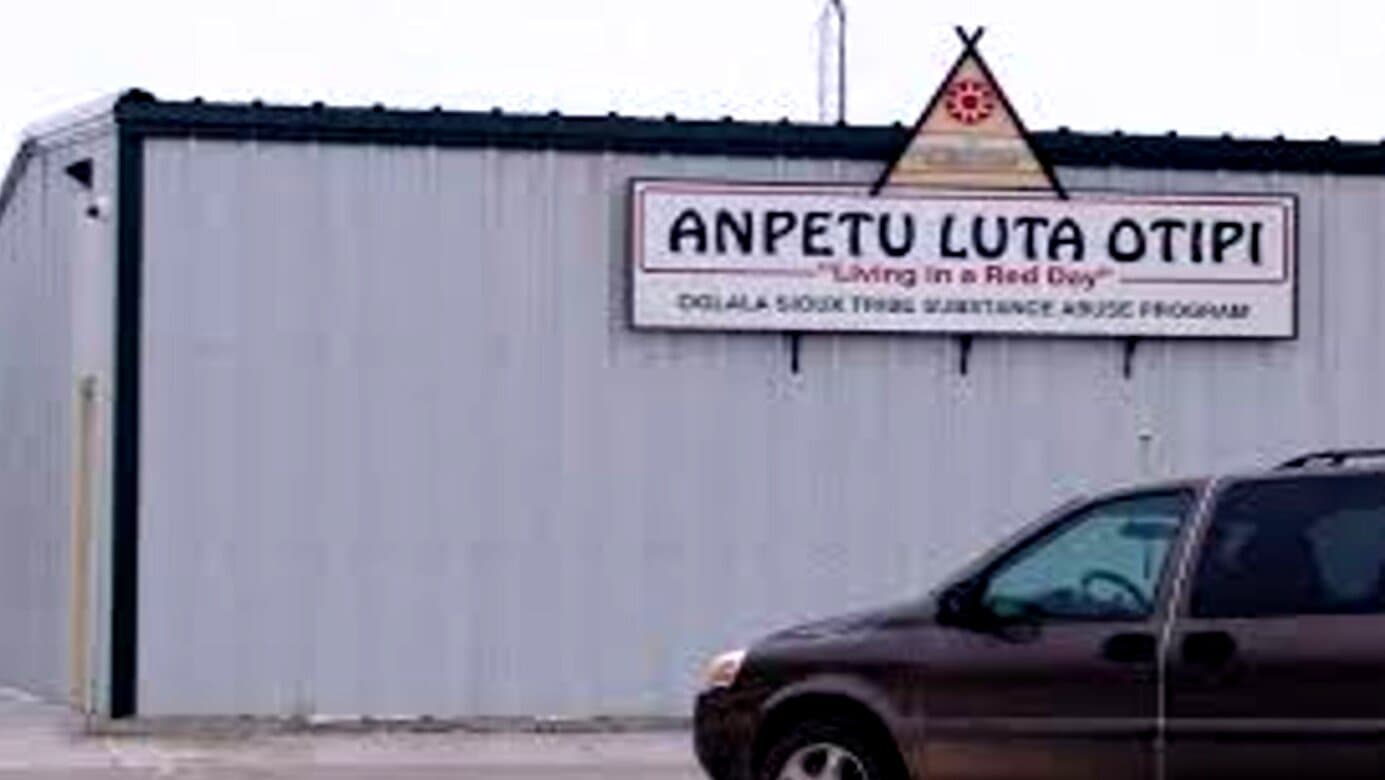
Anpetu Luta Otipi/Kyle Campus Comprehensive Substance Abuse Program
Kyle, SD
AlcoholDrug Addiction
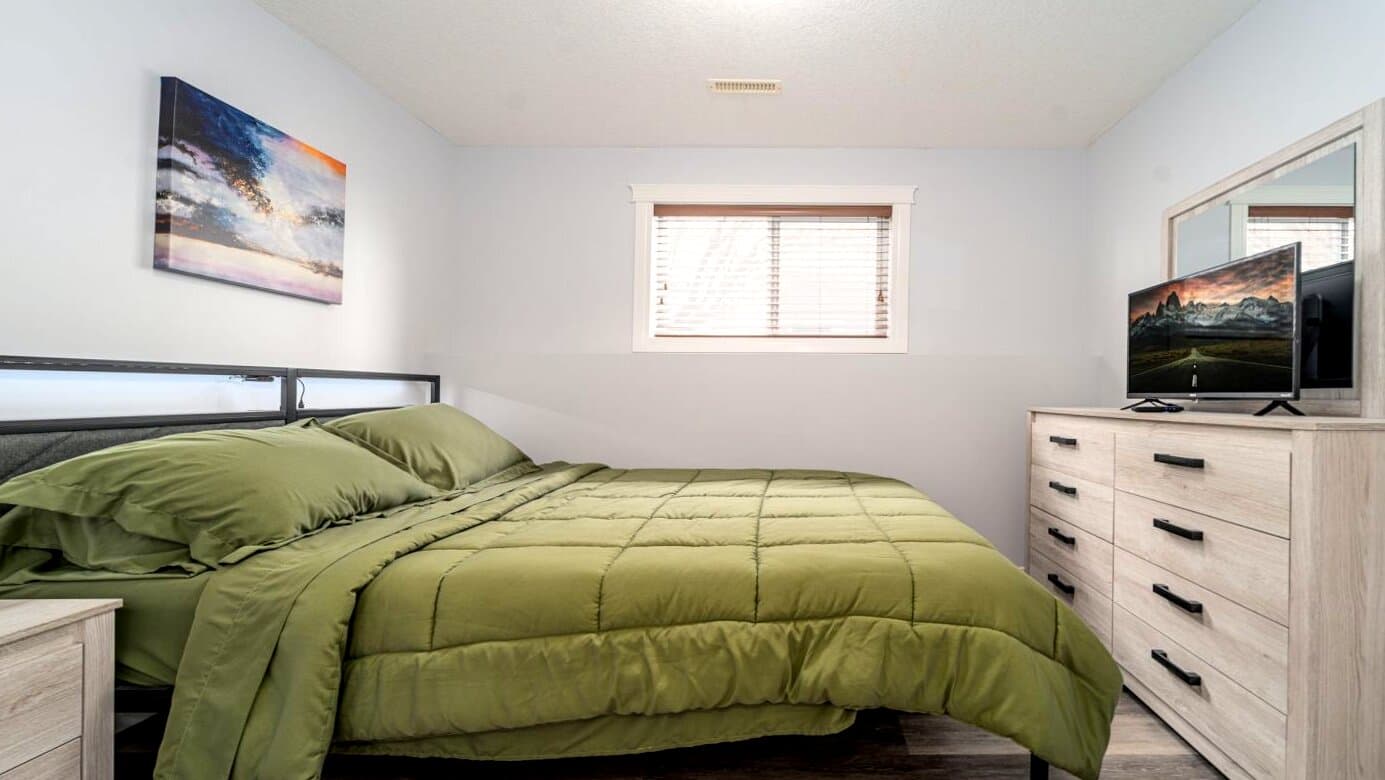
Aspirations Sober Living Homes
Sioux Falls, SD
AlcoholDrug Addiction
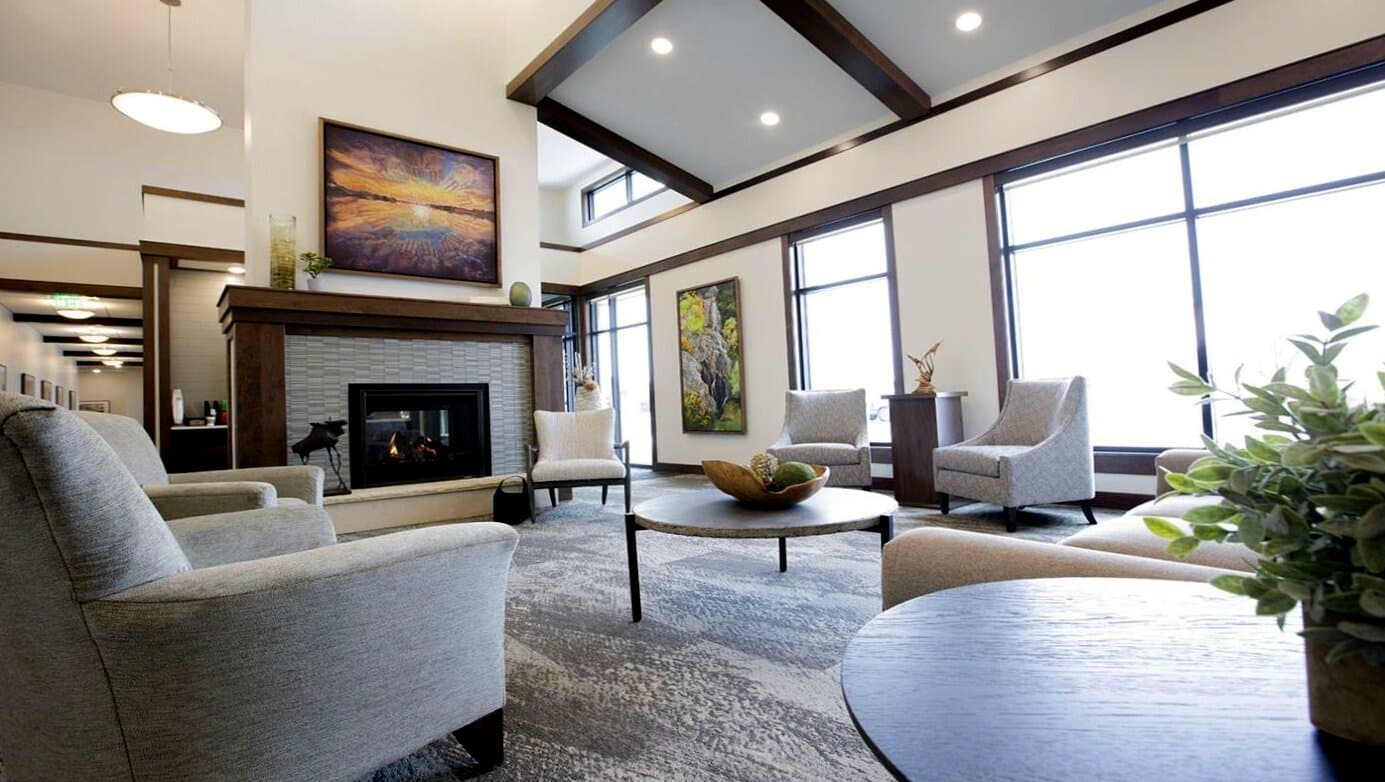
Avera Addiction Care Center
Sioux Falls, SD
AlcoholDrug Addiction
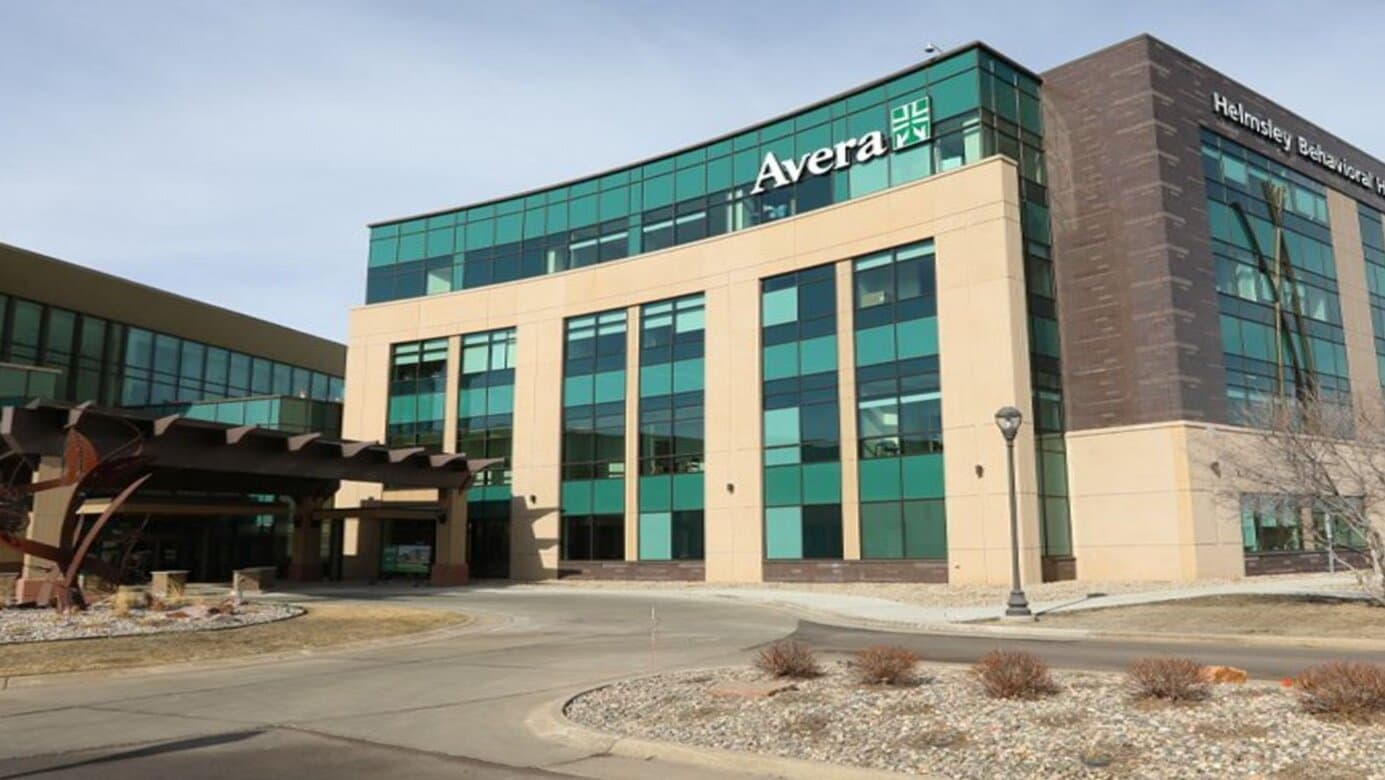
Avera Behavioral Health Hospital
Sioux Falls, SD
AdolescentsBipolar
BAART Programs Sioux Falls
Sioux Falls, SD
Drug AddictionMedication-Assisted Treatment

Capital Area Counseling Services
Pierre, SD
AdolescentsCo-Occurring Disorders
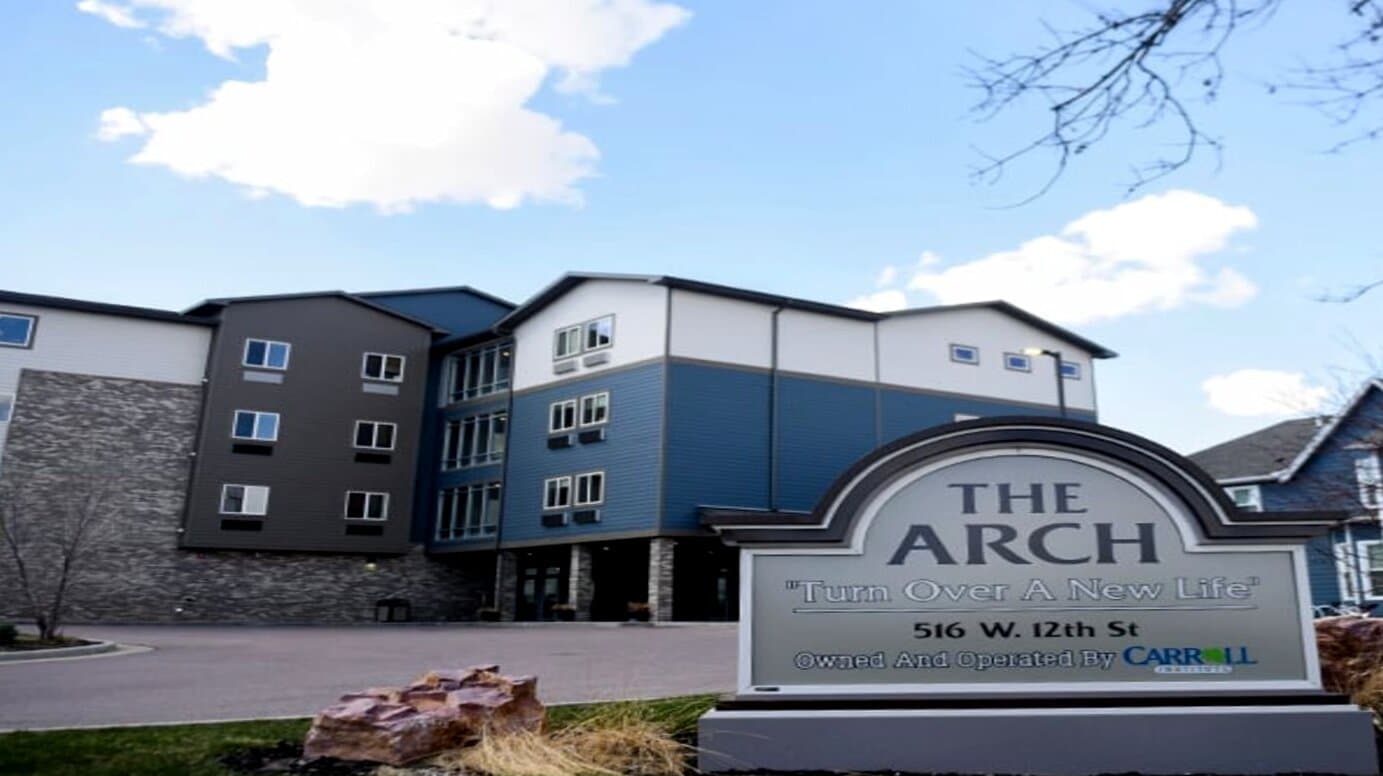
Carroll Institute - The Arch
Sioux Falls, SD
Couples CounselingFamily Program
Glory House of Sioux Falls
Sioux Falls, SD
AlcoholChristian
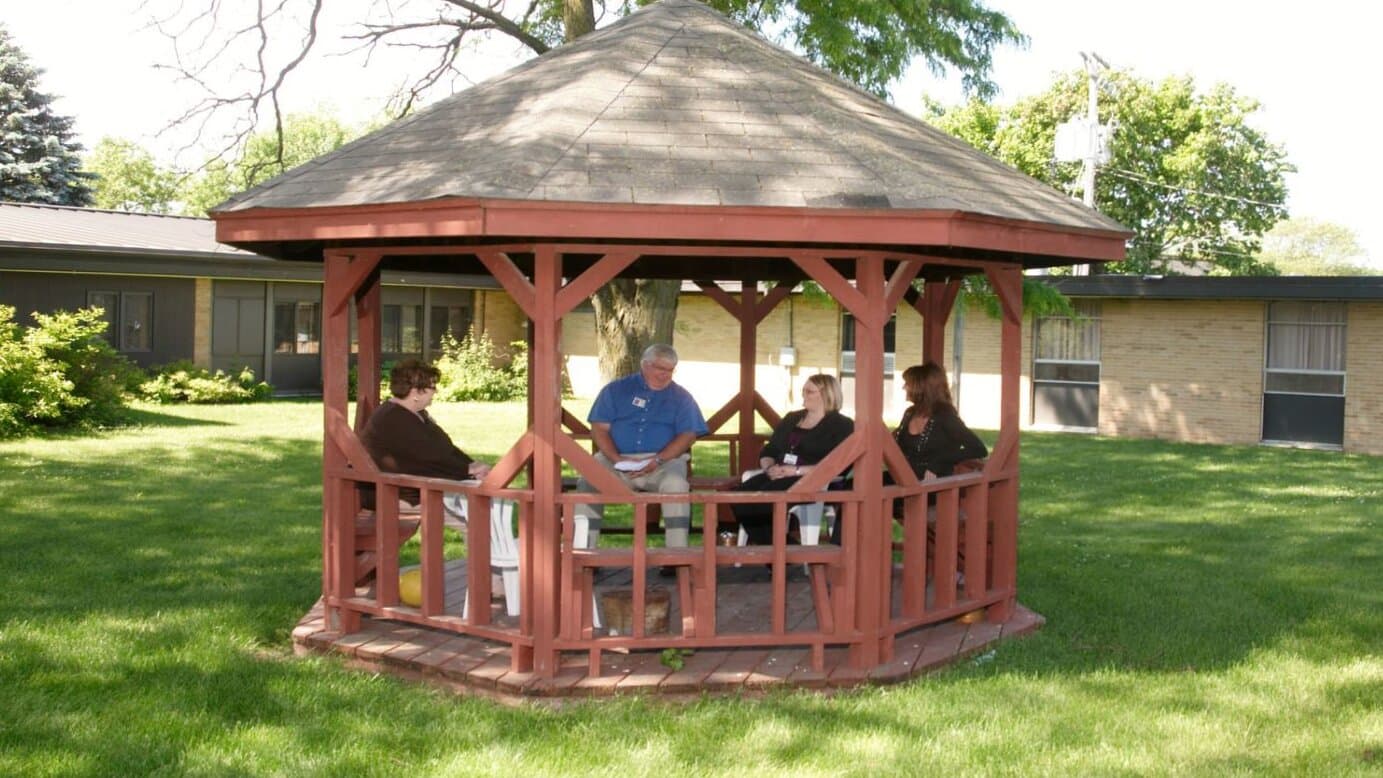
Keystone Treatment Center
Canton, SD
AlcoholAnxiety
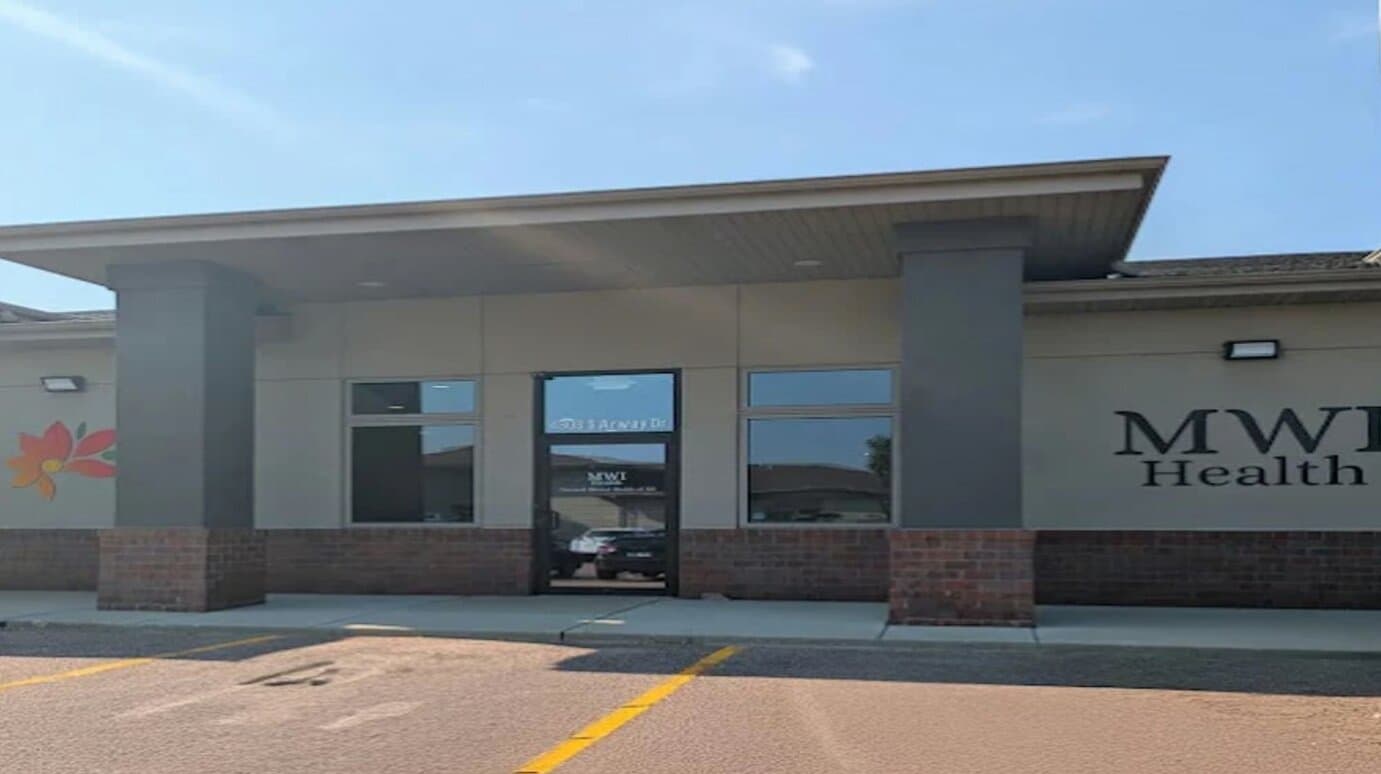
MWI Health Sioux Falls
Sioux Falls, SD
ADHD, ADDAnxiety
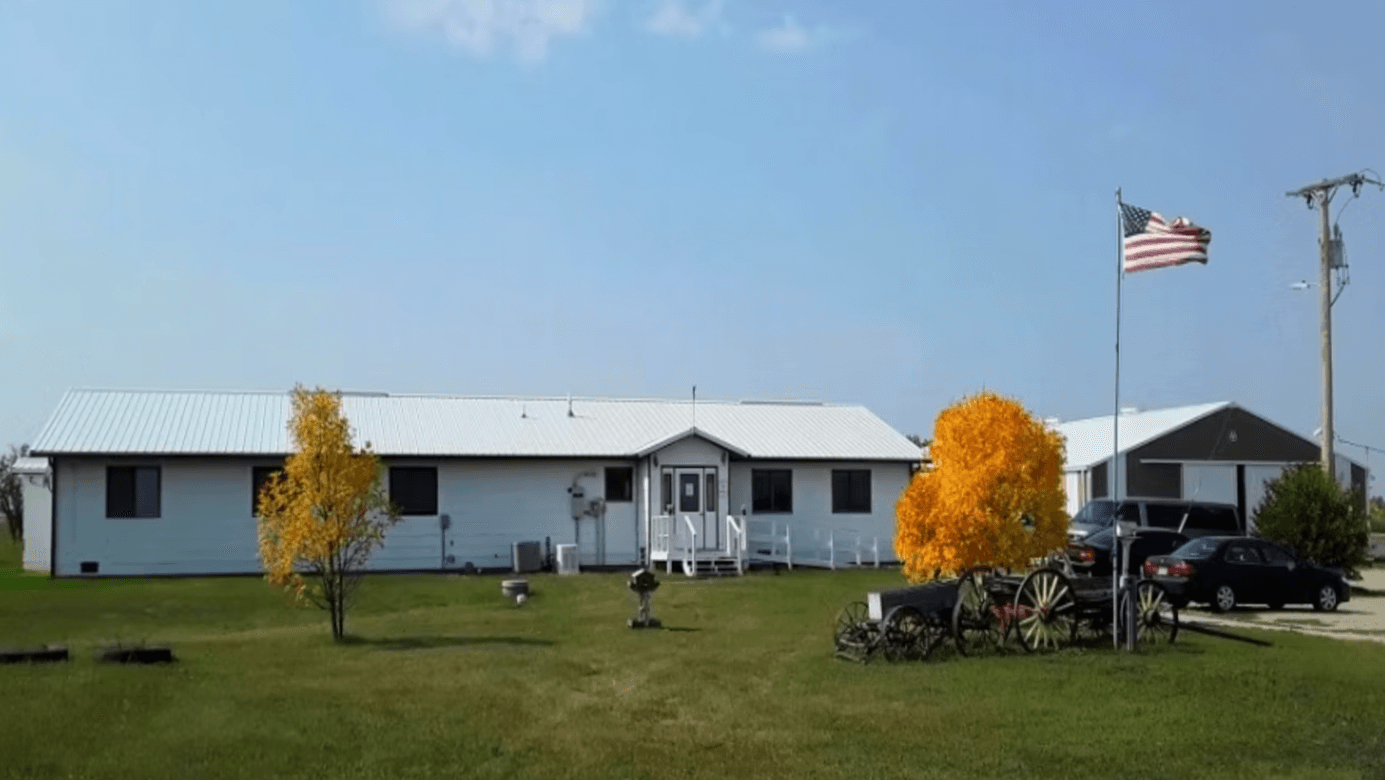
New Dawn Enterprises
Vale, SD
Co-Occurring DisordersDrug Addiction
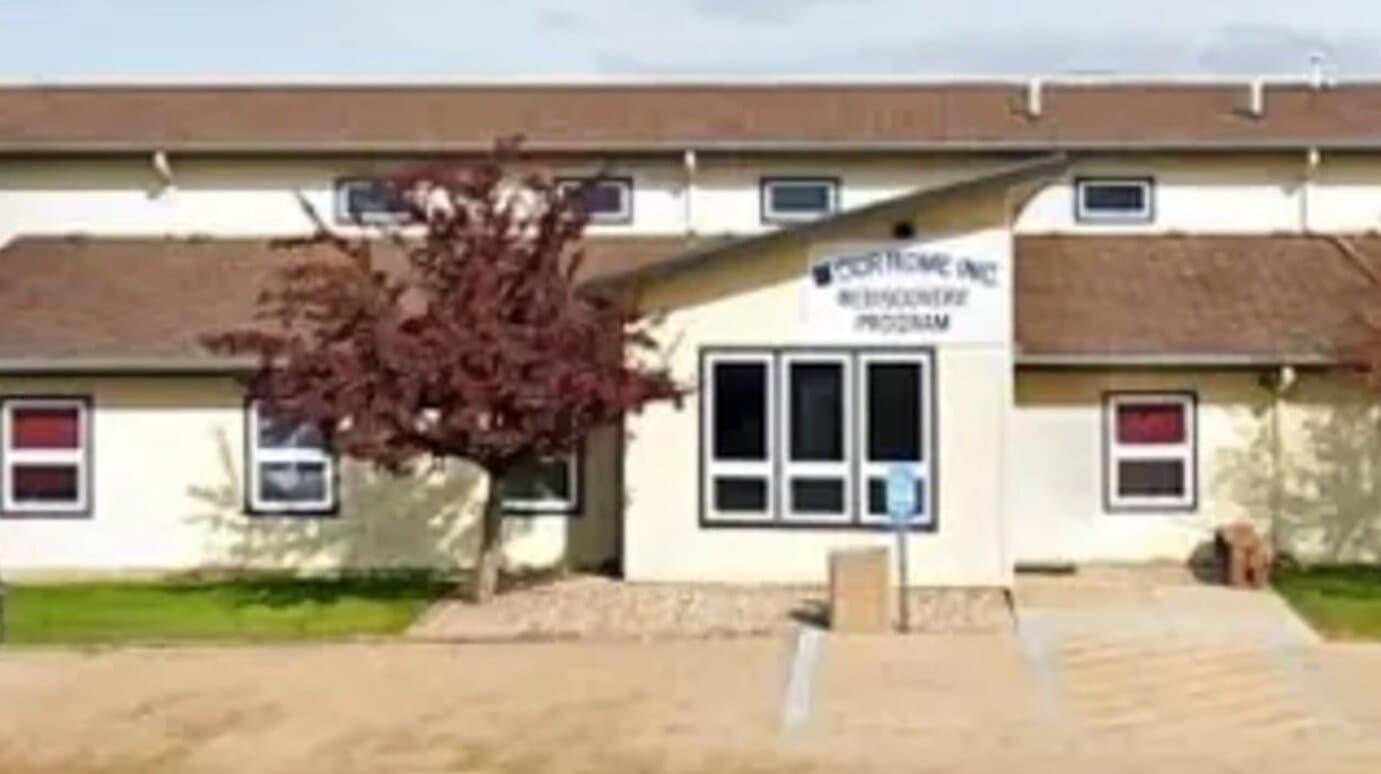
Our Home Inc Rediscovery Drug & Alcohol Treatment
Huron, SD
AdolescentsAlcohol
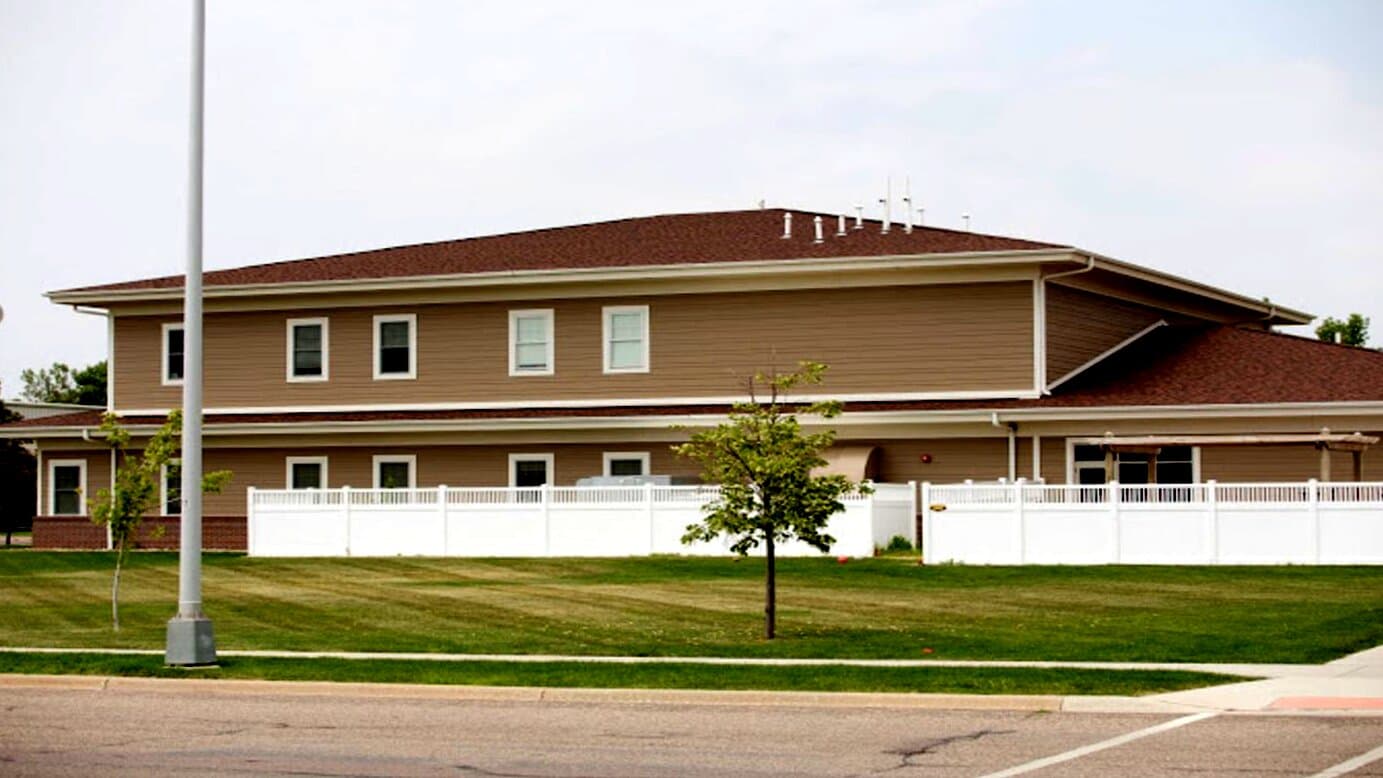
Volunteers of America Dakotas
Sioux Falls, SD
AdolescentsAlcohol

West River Mental Health - Full Circle Residential
Rapid City, SD
AlcoholDrug Addiction
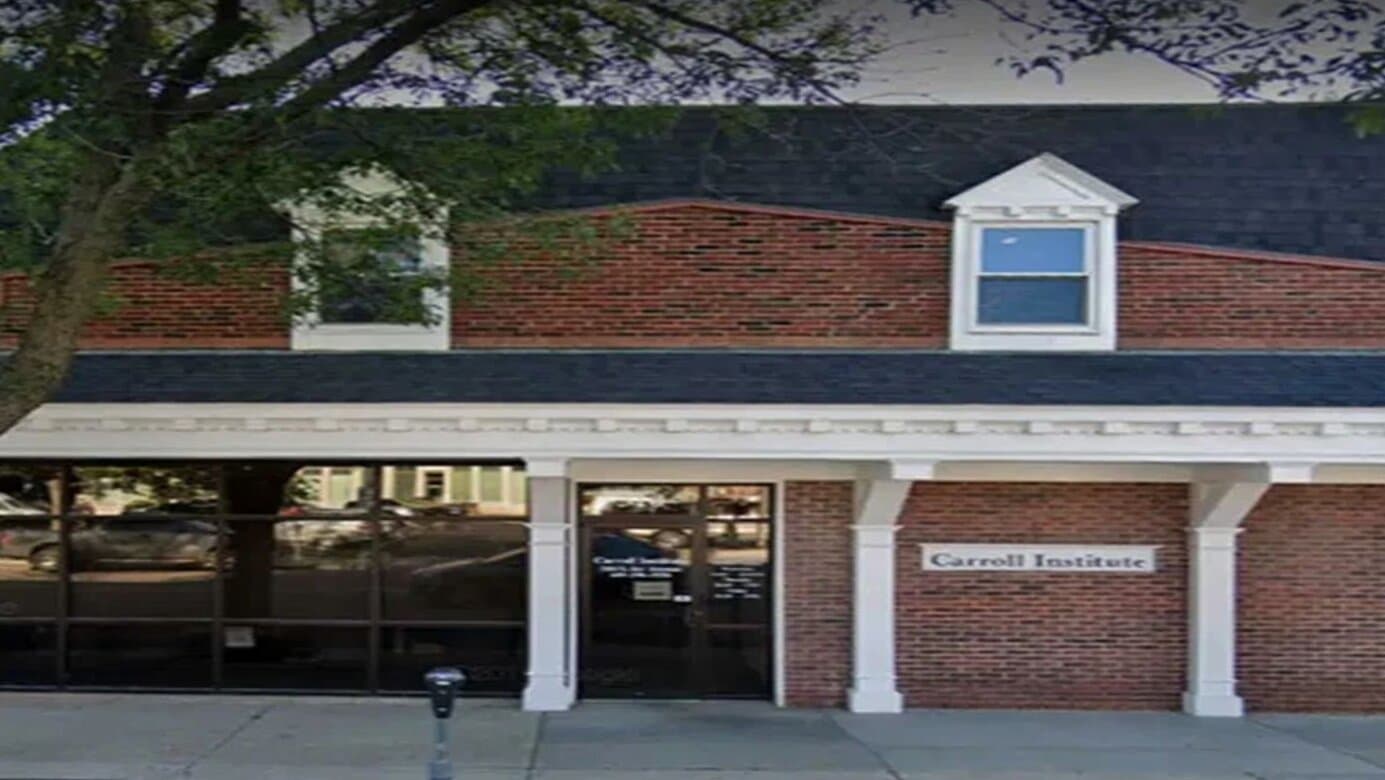
Carroll Institute Outpatient Alcohol and Drug Center
Sioux Falls, SD
AlcoholCo-Occurring Disorders
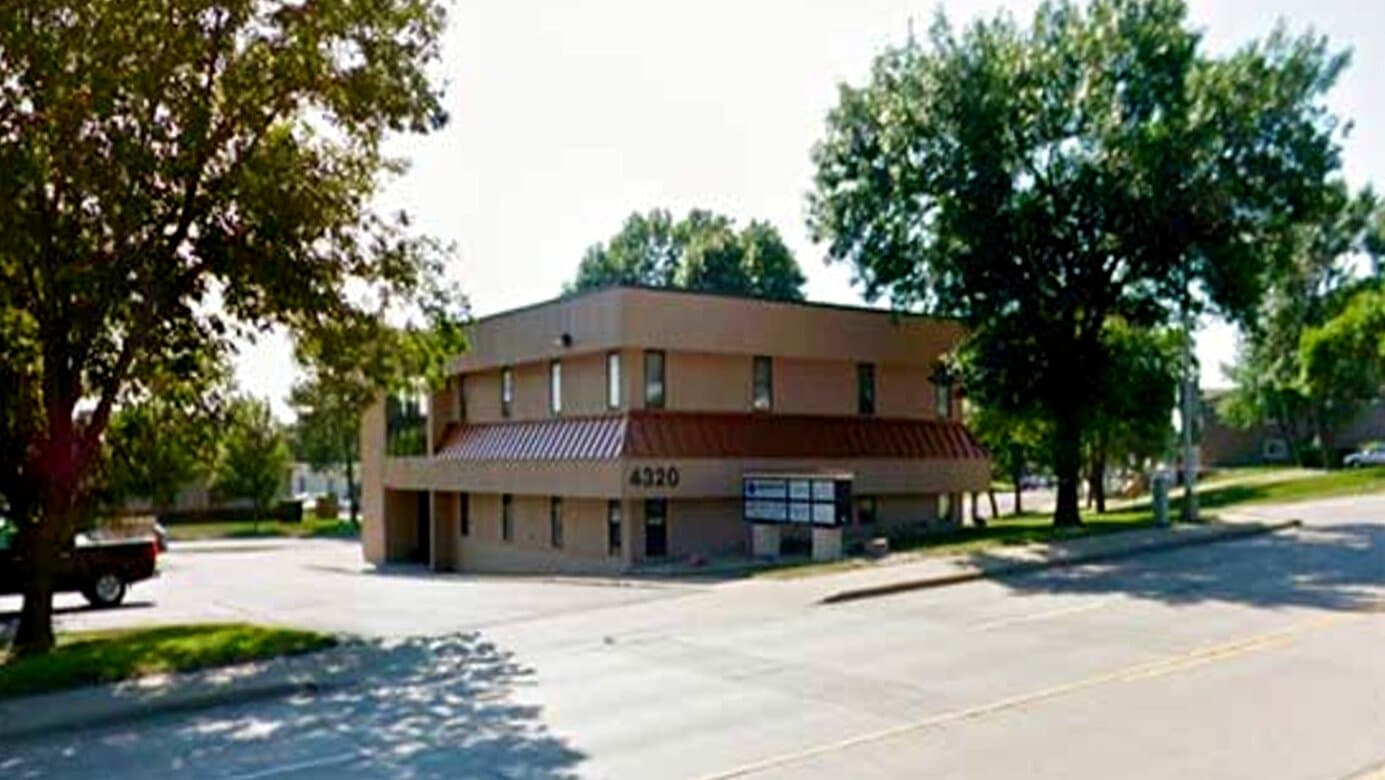
First Step Counseling Services, Inc.
Sioux Falls, SD
AlcoholDrug Addiction
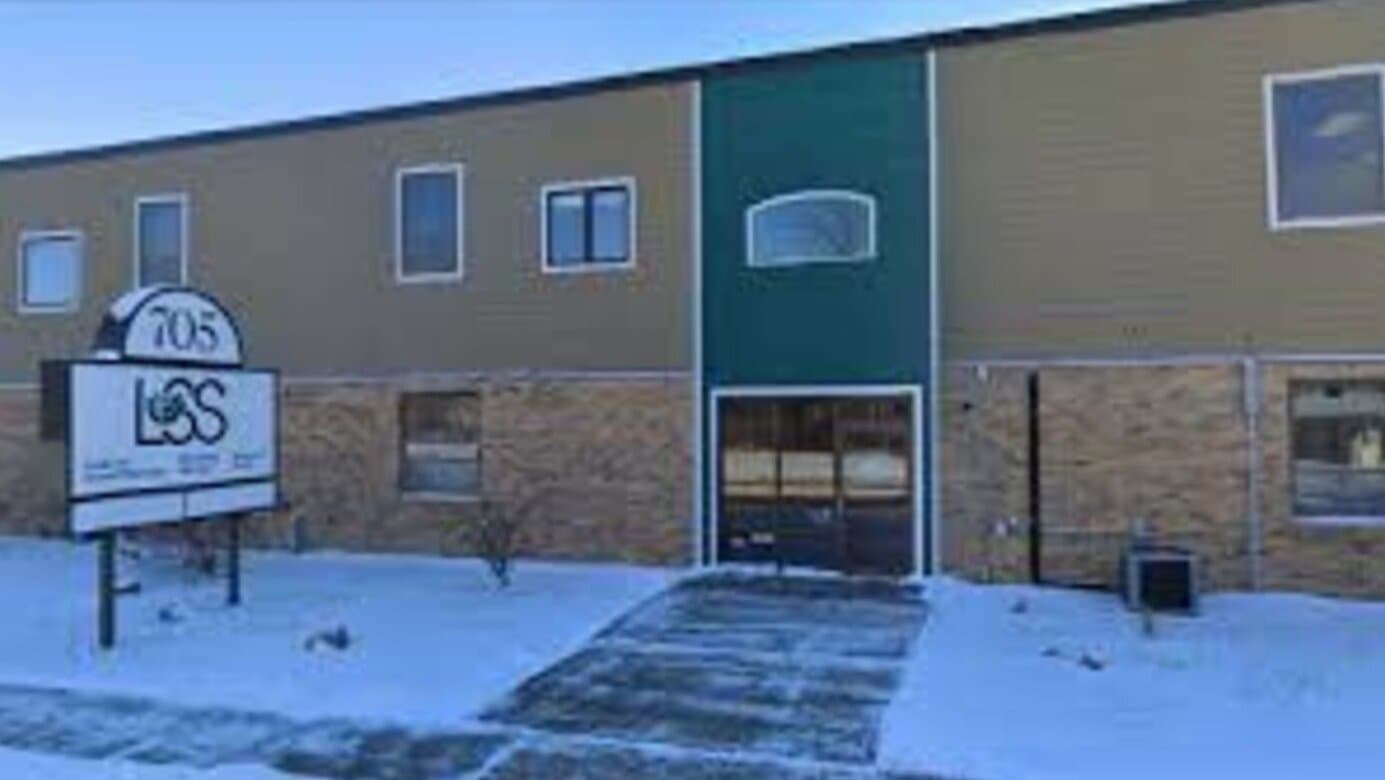
Lutheran Social Services of SD Summit Oaks Center
Sioux Falls, SD
AdolescentsCo-Occurring Disorders
Page 1 of 3Next
Addiction Treatment in South Dakota: What to Know
Finding the right rehab center in South Dakota is an important step toward recovery. Our directory lists 42 drug and alcohol treatment facilities across the state — from medical detox and residential rehab to outpatient and medication-assisted programs. South Dakota struggles with methamphetamine and alcohol abuse, with indigenous communities disproportionately affected.
Understanding the scale of substance use in South Dakota helps put treatment in context. An estimated 7.8% of residents have substance use disorder in South Dakota, yet only 9% of those with SUD receive treatment — a treatment gap that timely, well-matched care can help close. Drug overdose deaths in the state run at roughly 17.2 per 100,000 residents, underscoring why access to quality treatment matters.
Key Substance Use Challenges in South Dakota
- Methamphetamine is the primary drug of concern
- High alcohol abuse rates
- Indigenous communities severely affected
- Limited treatment facilities statewide
Types of Rehab Programs Available in South Dakota
Treatment is not one-size-fits-all. South Dakota rehab centers offer a full continuum of care so you can match the level of support to the severity of the addiction and your personal circumstances.
Medical Detox
Medically supervised withdrawal management is usually the first step of treatment in South Dakota. Clinicians monitor vital signs and ease withdrawal symptoms — typically over 3 to 10 days — so detox is as safe and comfortable as possible.
Inpatient & Residential Rehab
Residential programs provide 24/7 care in a structured, substance-free environment. Clients live on-site for 30, 60, or 90 days, making this option well suited to severe addiction or unstable home environments.
Partial Hospitalization (PHP)
PHP is a step down from residential care — intensive day treatment (often 20–30 hours per week) while the client returns home or to sober housing each evening. It balances structure with everyday life.
Intensive Outpatient (IOP)
IOP offers 9–20 hours of therapy per week on a flexible schedule, letting clients keep working or caring for family. It is a common option for ongoing recovery or as a step down from inpatient care.
Medication-Assisted Treatment (MAT)
MAT combines FDA-approved medications — such as buprenorphine, methadone, or naltrexone — with counseling to treat opioid and alcohol use disorders. It reduces cravings and lowers the risk of relapse and overdose.
Dual Diagnosis Treatment
Many people in South Dakota live with a co-occurring mental health condition such as depression, anxiety, or PTSD. Dual diagnosis programs treat addiction and mental health together for more durable recovery.
Sober Living & Aftercare
Recovery continues after a program ends. Sober living homes, alumni groups, and ongoing counseling help people in South Dakota maintain progress, rebuild routines, and prevent relapse long-term.
Browse South Dakota Rehab by Treatment Type
Jump straight to the level of care you need and compare South Dakota centers that offer it:
How to Pay for Rehab in South Dakota
Cost should never be the reason someone goes without treatment. People in South Dakota have several ways to pay for addiction care:
Private health insurance: Most employer and marketplace plans cover detox, inpatient, and outpatient treatment. Federal parity laws require substance use care to be covered comparably to other medical conditions.
Medicaid: South Dakota Medicaid covers addiction treatment for eligible low-income residents, often including detox, counseling, and medication-assisted treatment.
Medicare: Medicare Parts A and B help cover inpatient and outpatient addiction treatment for qualifying adults aged 65+ and people with disabilities.
Sliding-scale & self-pay: Many nonprofit and state-funded centers set fees based on income. Payment plans and treatment scholarships can make care affordable without insurance.
State-funded programs: Publicly funded programs serve uninsured residents. SAMHSA's free helpline (1-800-662-4357) can connect you with low-cost options in South Dakota.
Not sure what your plan covers? We verify insurance benefits for free and confidentially — call +1 (239) 241-8393.
How to Choose a Rehab Center in South Dakota
When comparing the treatment centers listed above, consider these factors to find the right fit:
- Accreditation and licensing — look for Joint Commission or CARF accreditation and a valid state license.
- Specialization — confirm the center treats your specific substance and any co-occurring mental health conditions.
- Level of care — make sure they offer the right intensity, from medical detox through outpatient and aftercare.
- Insurance and cost — verify the facility is in-network or offers a payment option that works for you.
- Location — decide whether staying close to home in South Dakota or traveling for treatment is better for your recovery.
- Aftercare planning — strong programs prepare you for life after treatment with relapse-prevention and alumni support.
Frequently Asked Questions About Rehab in South Dakota
How much does drug and alcohol rehab cost in South Dakota?+
The cost of rehab in South Dakota varies widely by program type and length. Outpatient programs are generally the most affordable, while a 30-day residential stay costs more. With insurance, most people pay only a deductible and copay. Many facilities also offer payment plans, sliding-scale fees, and scholarships. Call our free 24/7 helpline to get a clear cost estimate before you commit.
Does health insurance cover addiction treatment in South Dakota?+
Yes. Under the Affordable Care Act and the Mental Health Parity and Addiction Equity Act, most health plans must cover substance use disorder treatment. This includes private insurance, Medicaid, and Medicare. Coverage levels depend on your specific plan — we can verify your benefits for free and confidentially.
Are there free or low-cost rehab centers in South Dakota?+
South Dakota has state-funded and nonprofit treatment programs for residents who are uninsured or underinsured. Medicaid covers addiction treatment for eligible individuals, and many facilities offer sliding-scale fees based on income. SAMHSA's national helpline (1-800-662-4357) can also point you to publicly funded options.
What is the difference between inpatient and outpatient rehab?+
Inpatient (residential) rehab means living at the facility with 24/7 support, which suits more severe addiction or unsafe home environments. Outpatient rehab lets you live at home and attend scheduled therapy sessions, which works well for milder addiction, strong support systems, or as a step down from inpatient care.
How long does a rehab program in South Dakota last?+
Program length depends on individual needs. Detox usually takes 3–10 days, residential programs commonly run 30, 60, or 90 days, and outpatient care can continue for several months. Research consistently shows that longer engagement in treatment leads to better long-term outcomes.
Can I travel outside South Dakota for treatment?+
Yes. Many people choose to attend rehab in another state for greater privacy, a change of environment, or access to a specialized program. Our helpline can help you compare local South Dakota centers with out-of-state options and coordinate admission either way.
Get Help Now in South Dakota
If you or a loved one is struggling with addiction, support is available 24 hours a day. Our confidential helpline can match you with the right South Dakota treatment center and verify your insurance at no cost.
In an emergency, call 911. For free, confidential national support any time, contact SAMHSA's helpline at 1-800-662-4357 or dial 988 for the Suicide & Crisis Lifeline.