Loading...
Outpatient Rehab in California
19 facilities offering outpatient rehab in California
Flexible treatment that lets you live at home while attending scheduled therapy sessions.
Outpatient Rehab Centers in California
Showing 19 of 19

Amend Mental Health Treatment
Malibu, CA
AnxietyBurnout
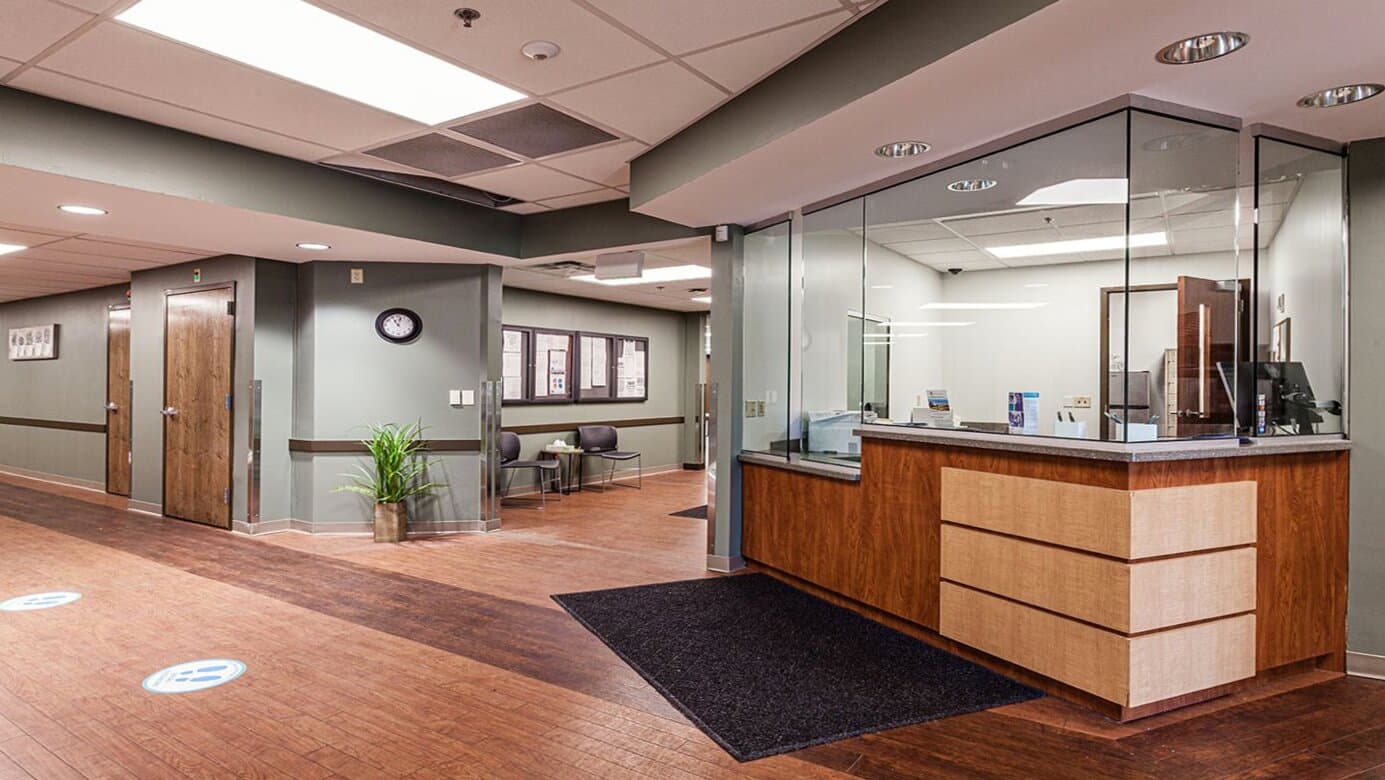
Capalina Comprehensive Treatment Center
San Marcos, CA
Medication-Assisted TreatmentOpioids
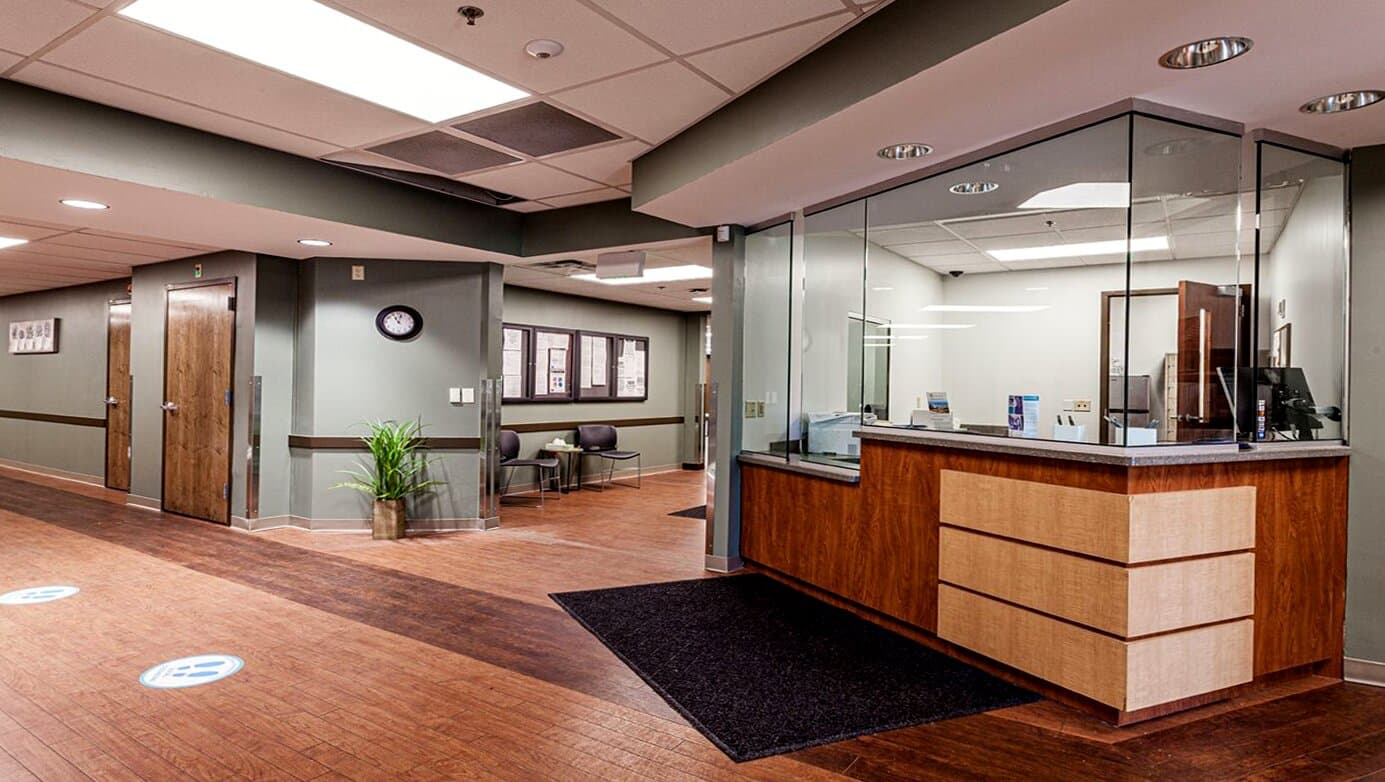
Desert Comprehensive Treatment Center
Palm Springs, CA
Medication-Assisted TreatmentOpioids
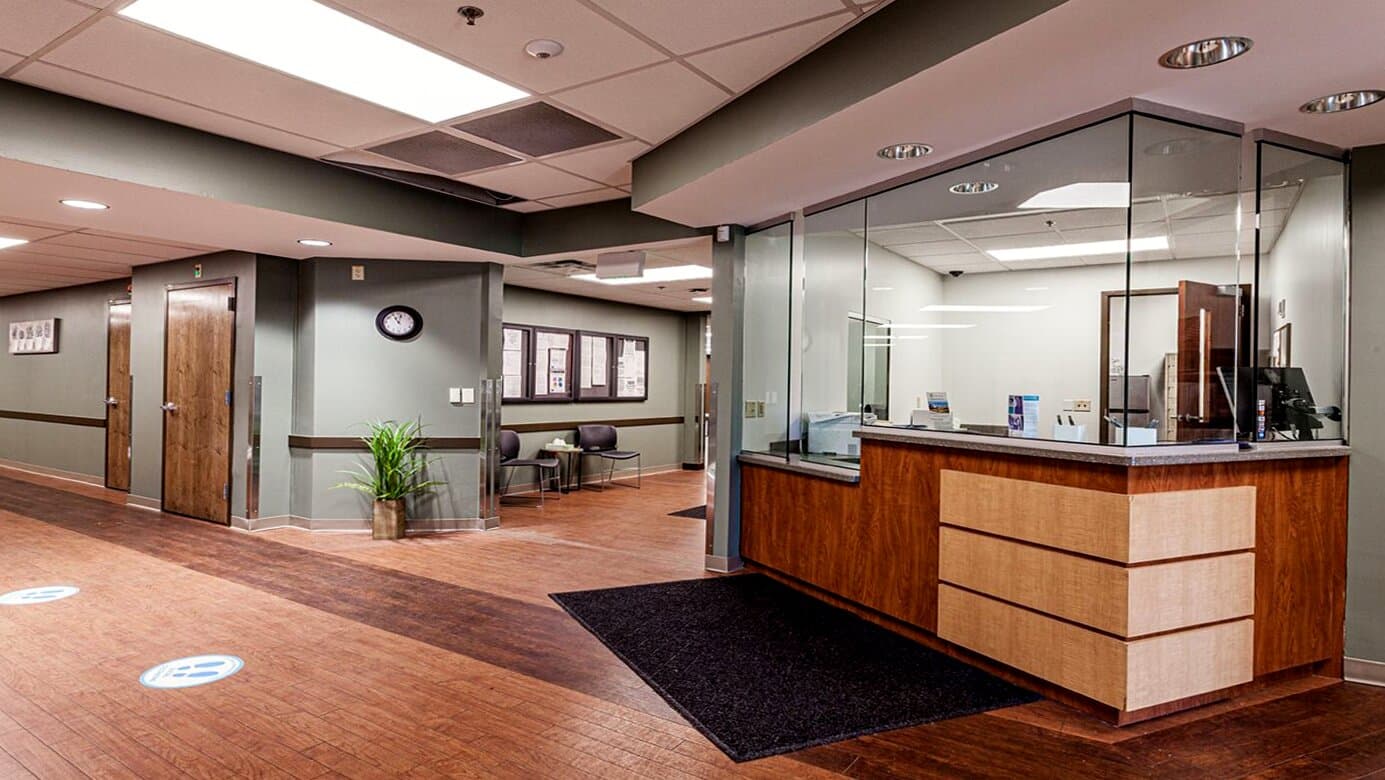
Fashion Valley Comprehensive Treatment Center
San Diego, CA
Medication-Assisted TreatmentOpioids

Freeman House Recovery
Cardiff by the Sea, CA
Adventure TherapyAlcohol

Newport Academy San Rafael Outpatient
San Rafael, CA
ADHD, ADDAdolescents

Newport Institute - Young Adult OCD Program
Santa Rosa Valley, CA
AnxietyCognitive Behavioral Therapy

Newport Institute Temecula
Via Santa Rosa Temecula, CA
Adventure TherapyAnxiety

Orchard Recovery
Cardiff by the Sea, CA
AlcoholBenzodiazepines

Rise in Malibu
Malibu, CA
AlcoholCo-Occurring Disorders
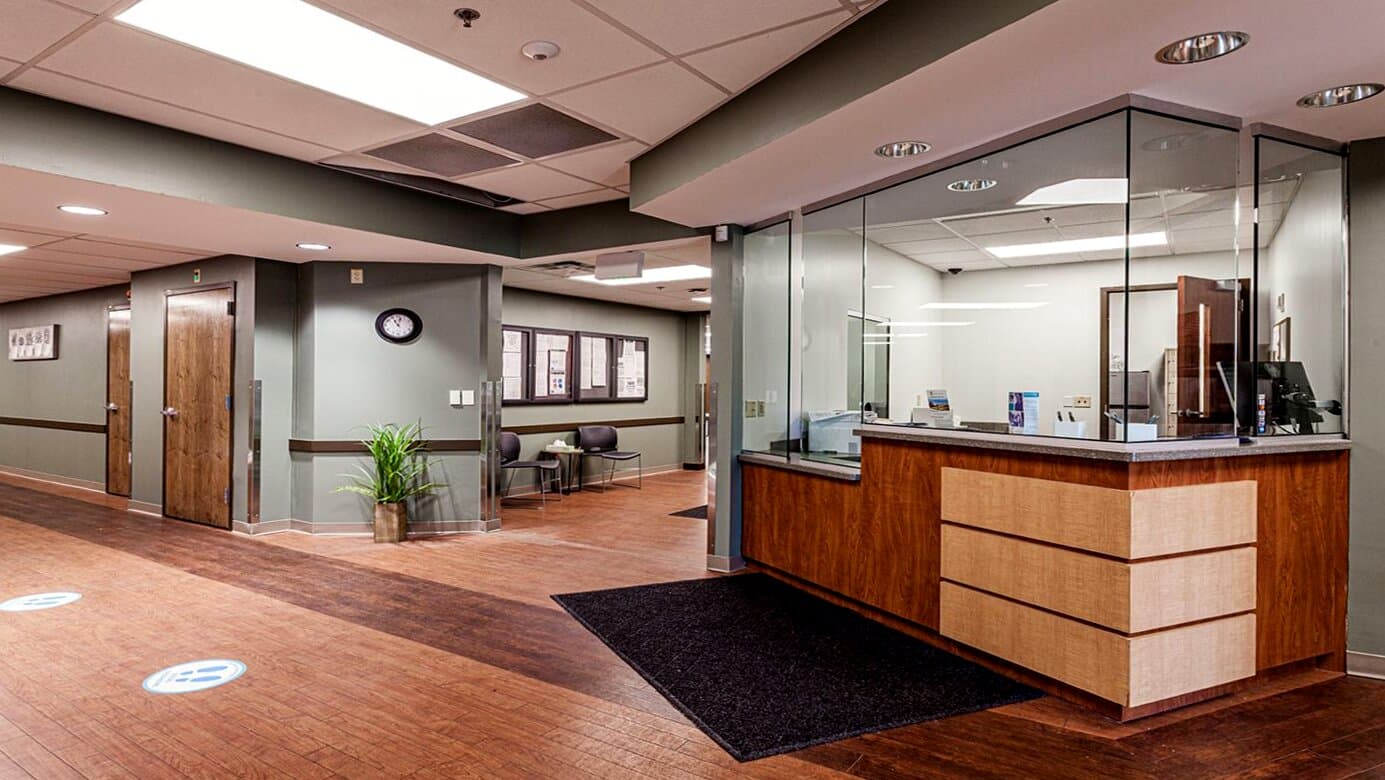
Temecula Valley Comprehensive Treatment Center
Murrieta, CA
Medication-Assisted TreatmentOpioids

The Pointe Malibu Recovery Center
Malibu, CA
AlcoholChronic Pain Management

Villa Kali Ma Outpatient Treatment for Women
Del Mar, CA
AnxietyCo-Occurring Disorders

ABC Sober Living Soledad House
San Diego, CA
AlcoholDrug Addiction
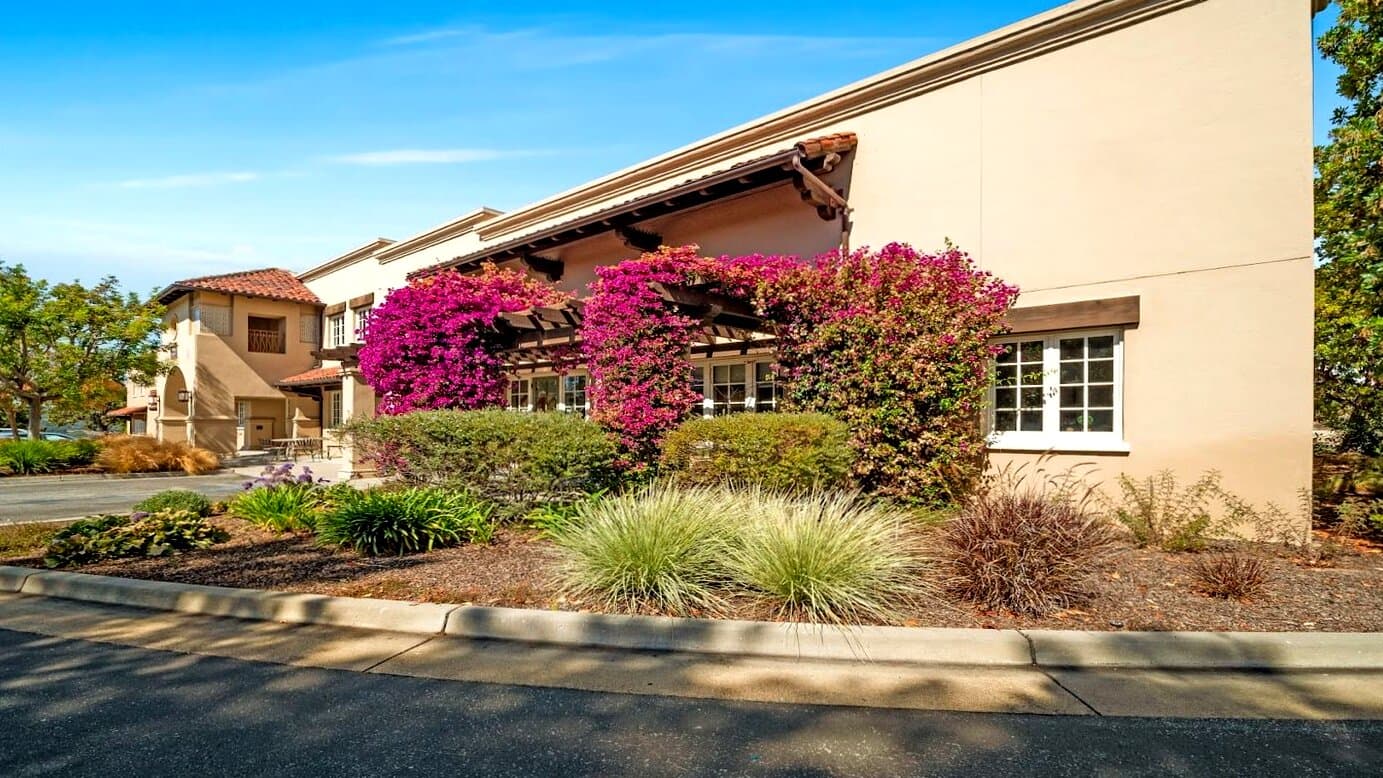
Alsana Monterey PHP/IOP
Monterey, CA
Co-Occurring DisordersEating Disorders
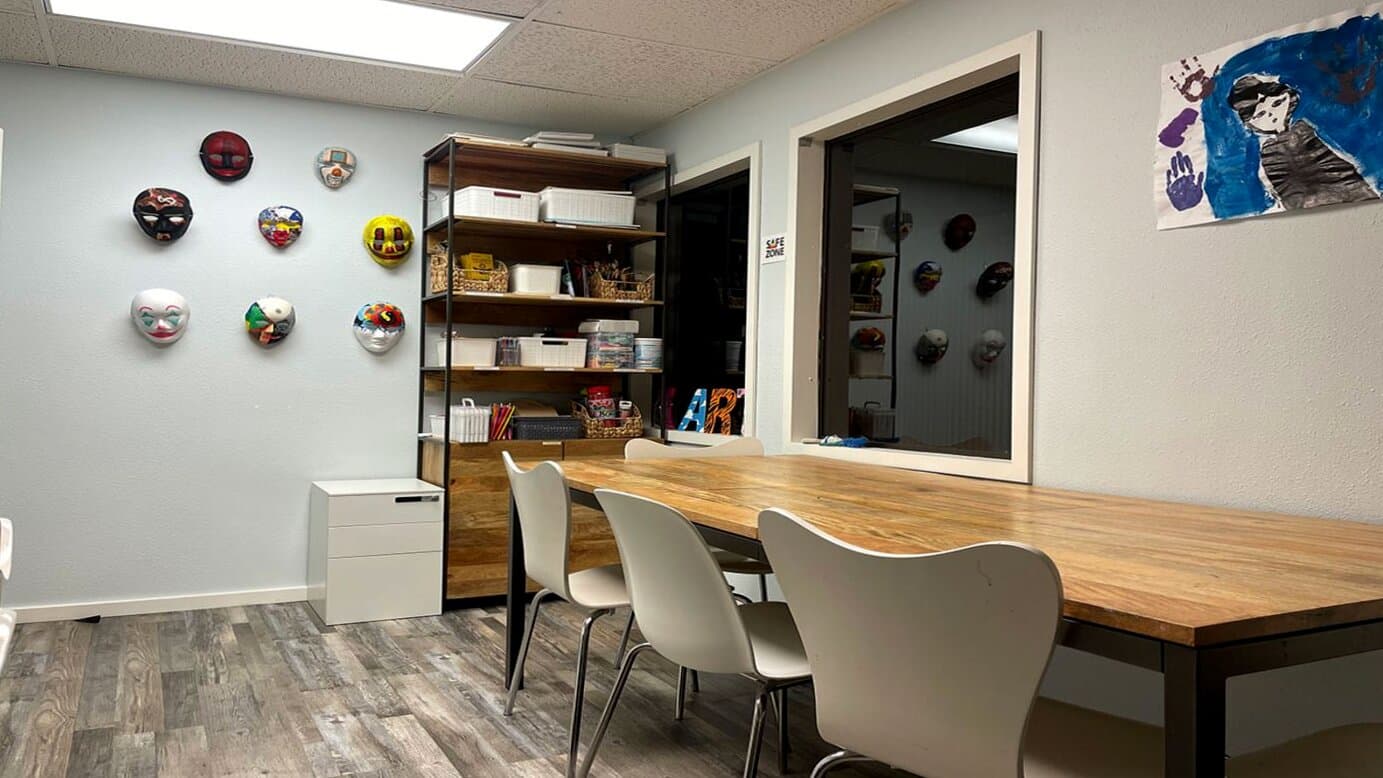
Bay Area Clinical Associates – BACA Berkeley
Berkeley, CA
AdolescentsAnxiety
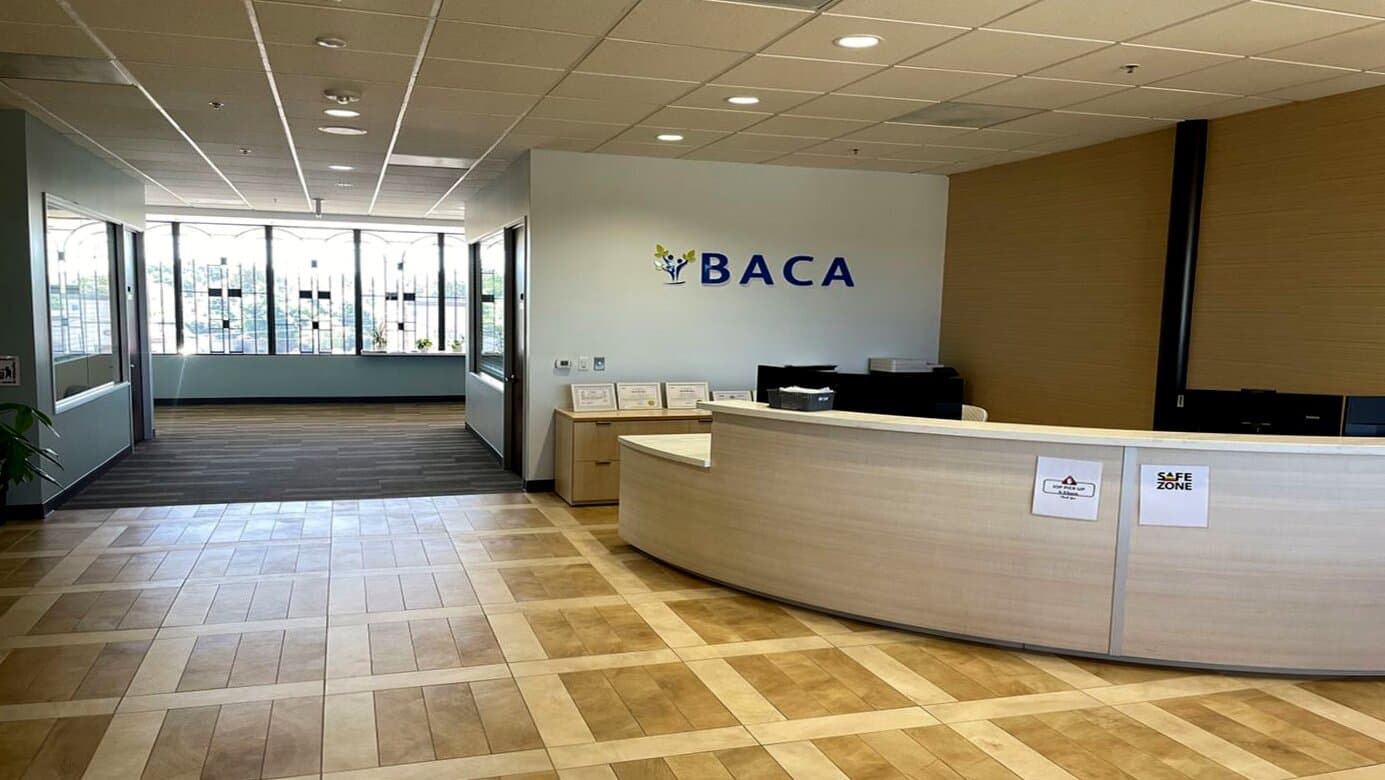
Bay Area Clinical Associates – BACA San Jose
Campbell, CA
AnxietyDepression

Camino a Casa
United States, CA
AdolescentsAnxiety
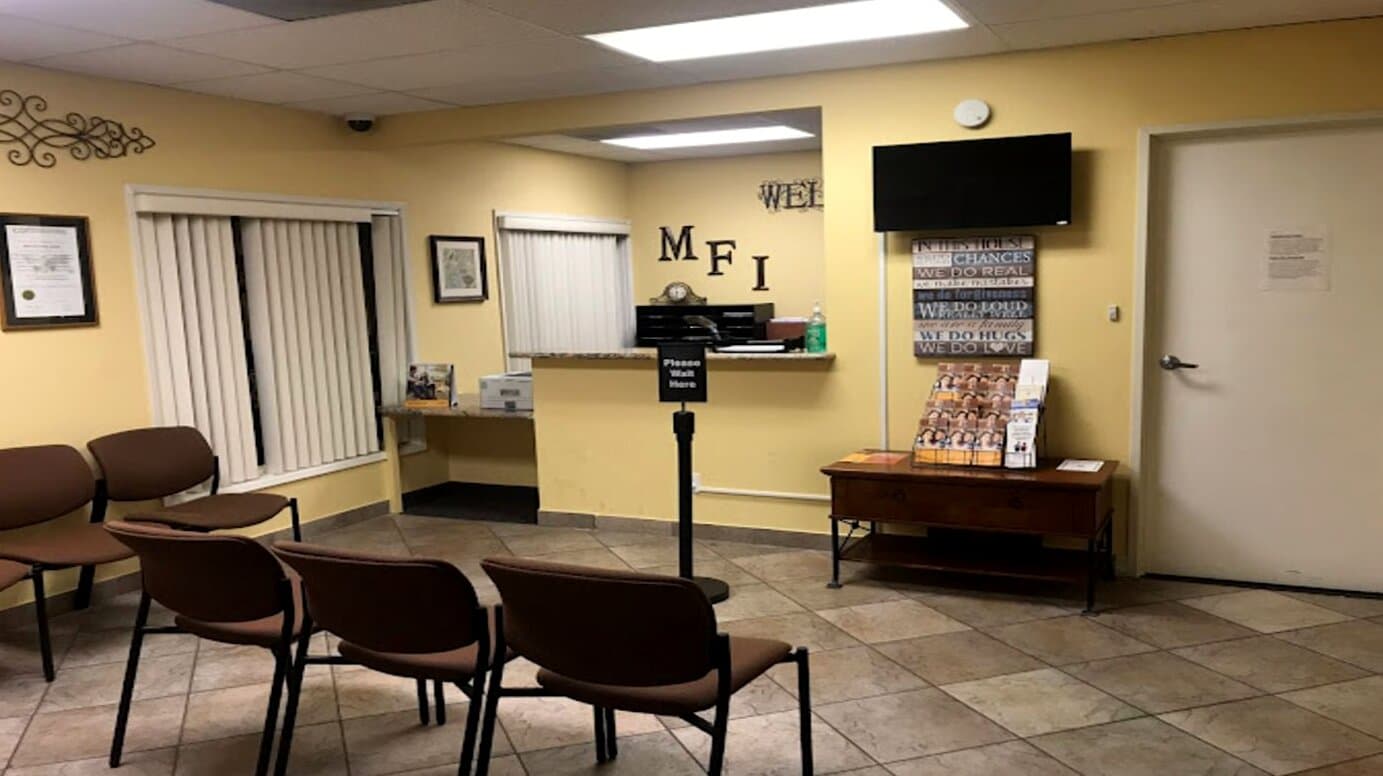
MFI Banning Outpatient Treatment Center
Banning, CA
AdolescentsAlcohol
What Is Outpatient Rehab?
Outpatient rehab lets clients live at home and keep up with work, school, or family while attending treatment on a set schedule. It spans several intensity levels — from standard outpatient counseling once or twice a week, to intensive outpatient programs (IOP), to partial hospitalization programs (PHP) that run most of the day.
This flexibility makes outpatient care a practical option for people with milder addiction and a stable support system, and an important step-down for those continuing recovery after an inpatient stay.
California faces diverse substance abuse challenges across urban and rural areas, with fentanyl overdoses and homelessness complicating addiction treatment. Choosing outpatient rehab in California keeps treatment close to your support network and connects you with programs familiar with local insurance and resources.
Who Outpatient Rehab Is Right For
- Mild to moderate substance use disorders
- A stable, supportive, and substance-free home environment
- People who must keep working, studying, or caring for family
- Step-down care after completing an inpatient program
- Anyone needing ongoing support to maintain long-term recovery
What to Expect
- Scheduled individual counseling and group therapy sessions
- Intensive outpatient (IOP) and day-treatment (PHP) options
- Medication-assisted treatment and relapse-prevention planning
- Regular progress reviews and, where appropriate, drug testing
- The ability to apply new skills in real life between sessions
Paying for Outpatient Rehab in California
Outpatient rehab generally costs less than residential care because clients do not pay for housing and around-the-clock staffing. Most insurance plans cover outpatient and intensive outpatient treatment.
Residents of California can pay for treatment through private insurance, Medicaid, Medicare, sliding-scale fees, payment plans, or state-funded programs. Cost should never be a barrier to care — call +1 (239) 241-8393 and we will verify your coverage for free.
Other Treatment Options in California
Outpatient Rehab is one level of care along a continuum. Explore other types of addiction treatment available in California:
Outpatient Rehab in California: FAQ
What is outpatient rehab?+
Outpatient rehab lets clients live at home and keep up with work, school, or family while attending treatment on a set schedule. It spans several intensity levels — from standard outpatient counseling once or twice a week, to intensive outpatient programs (IOP), to partial hospitalization programs (PHP) that run most of the day.
How do I find outpatient rehab in California?+
This page lists 19 facilities offering outpatient rehab in California. Compare each center on the conditions it treats, accreditation, and the services it provides, then contact the facility directly — or call our free 24/7 helpline for personalized guidance and insurance verification.
How much does outpatient rehab cost in California?+
The cost of outpatient rehab in California depends on the program, its length, and the amenities offered. Outpatient rehab generally costs less than residential care because clients do not pay for housing and around-the-clock staffing. Most insurance plans cover outpatient and intensive outpatient treatment. Many California centers also offer payment plans, sliding-scale fees, and scholarships. Call us for a clear cost estimate before you commit.
Does insurance cover outpatient rehab in California?+
Yes. Under the Affordable Care Act and federal parity law, most health plans — including private insurance, California Medicaid, and Medicare — must cover medically necessary addiction treatment. Coverage depends on your specific plan; we verify benefits for free and confidentially.
Can I travel outside California for treatment?+
Yes. Many people choose to attend outpatient rehab in another state for greater privacy, a change of environment, or access to a specialized program. Our helpline can help you compare California options with out-of-state centers and coordinate admission either way.
Find Outpatient Rehab in California Today
Our compassionate team is available 24/7 to answer questions about outpatient rehab, verify your insurance, and match you with the right California treatment center — free and completely confidential.
In an emergency, call 911. For free, confidential national support, contact SAMHSA's helpline at 1-800-662-4357 or dial 988 for the Suicide & Crisis Lifeline.