Loading...
Inpatient Rehab in California
23 facilities offering inpatient rehab in California
Live-in treatment with 24/7 medical and clinical support in a structured, substance-free environment.
Inpatient Rehab Centers in California
Showing 23 of 23

AMFM Mental Health Treatment
San Juan Capistrano, CA
AnxietyBipolar

AToN Center
Encinitas, CA
AlcoholCo-Occurring Disorders

Altus Rehab & Wellness Center
Encino, CA
AlcoholAllow Cell Phones
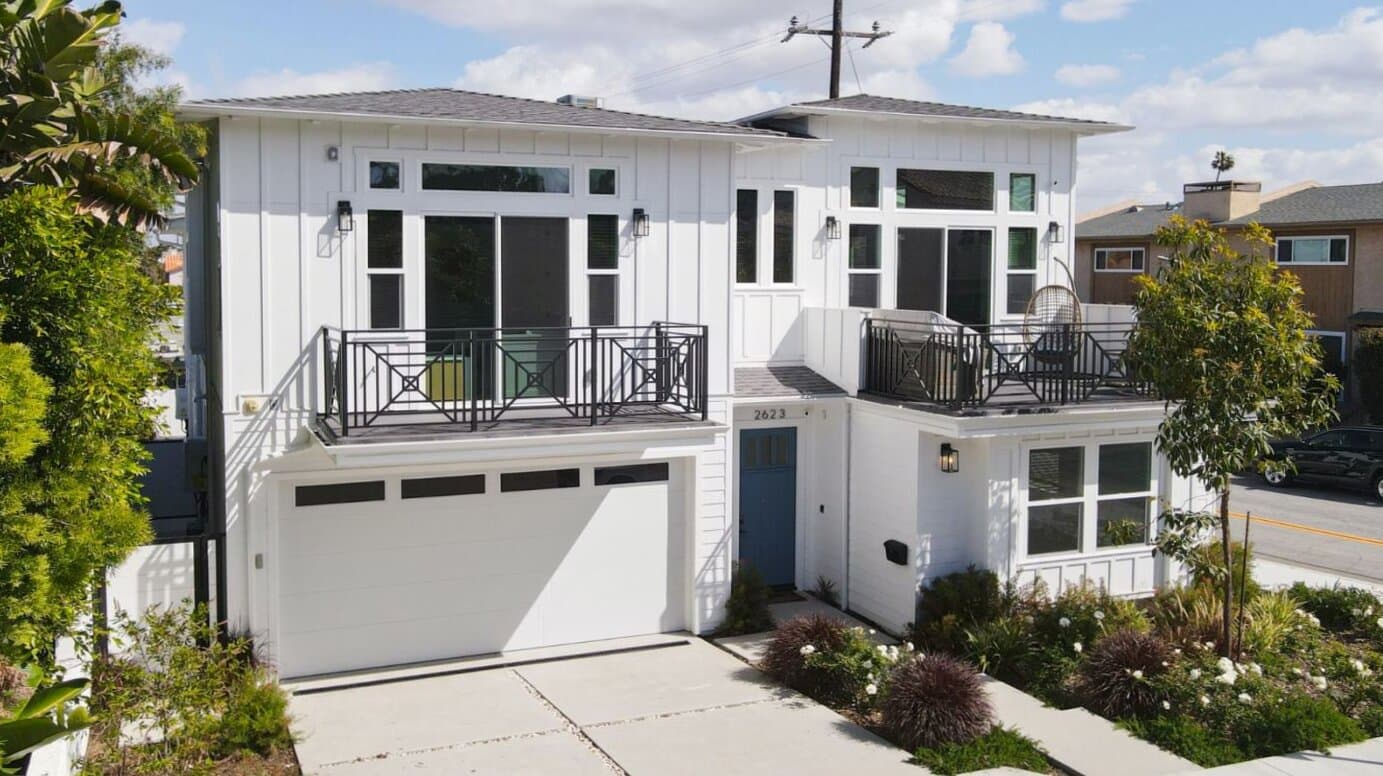
Blume Teen Behavioral Health
Redondo Beach, CA
AdolescentsBoys

California Behavioral Health
Cathedral City, CA
AlcoholAllow Cell Phones
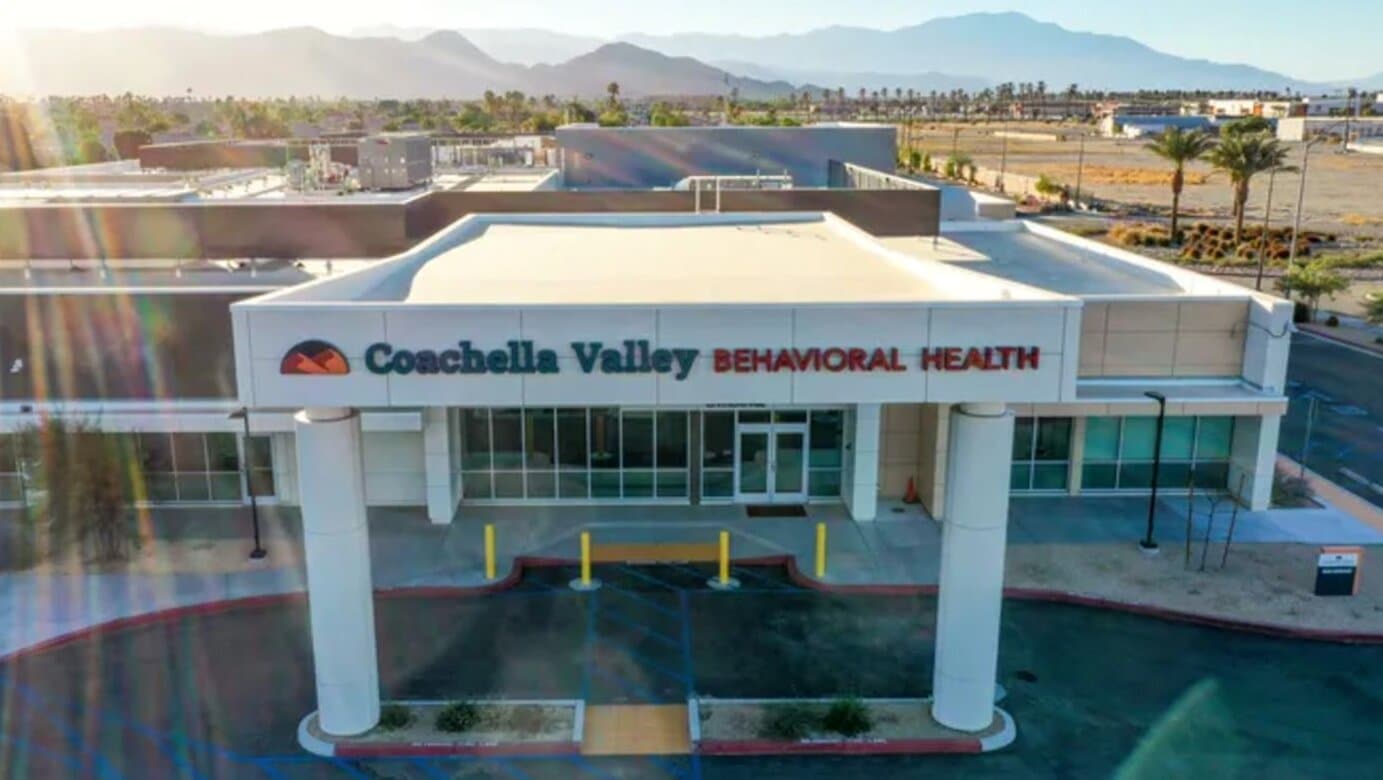
Coachella Valley Behavioral Health
Indio, CA
AnxietyBipolar
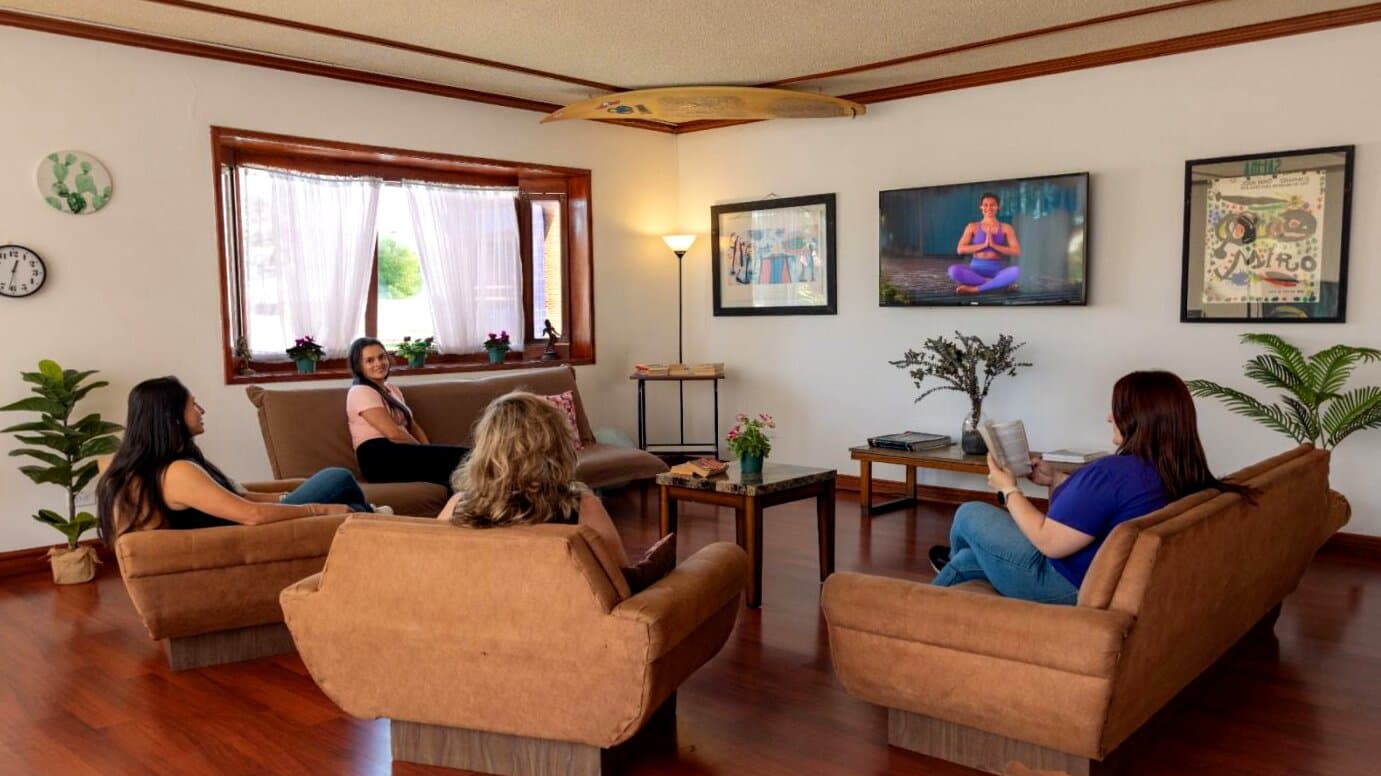
Costa Rica Recovery
Cardiff by the Sea, CA
AlcoholAnxiety

Detox California at Cliffside Capistrano
Dana Point, CA
AlcoholCo-Occurring Disorders

Evolve Teen Treatment Center - Calabasas
Calabasas, CA
AdolescentsBipolar

Laguna Treatment
Aliso Viejo, CA
AlcoholBenzodiazepines

Lost Angels Treatment Center
Los Angeles, CA
AlcoholChronic Relapse

Luxe Recovery
Los Angeles, CA
AlcoholChronic Relapse

MK Boys Academy
Sunland, CA
AdolescentsAlcohol
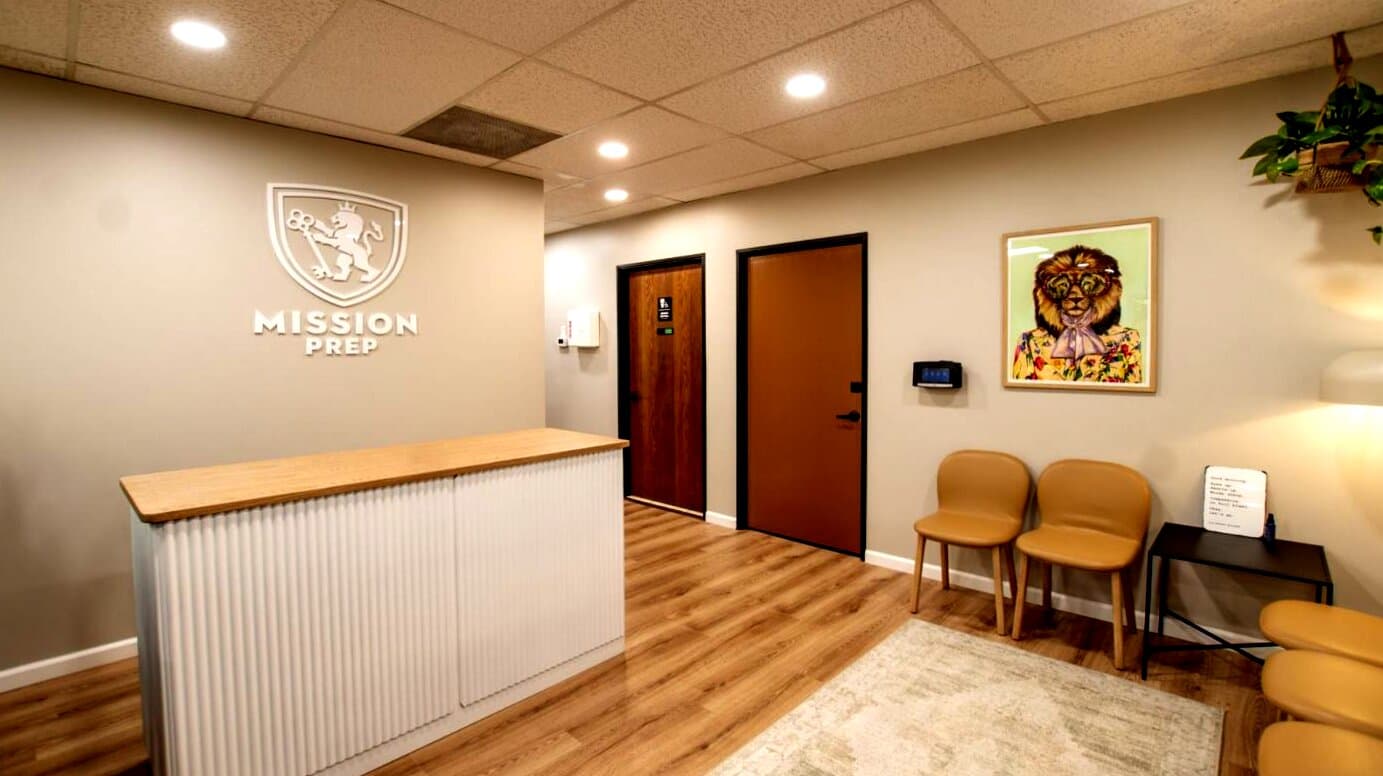
Mission Prep Teen Treatment
Ranchos Palos Verdes, CA
ADHD, ADDAdolescents

Monarch Treatment Center
Burbank, CA
AlcoholCo-Occurring Disorders
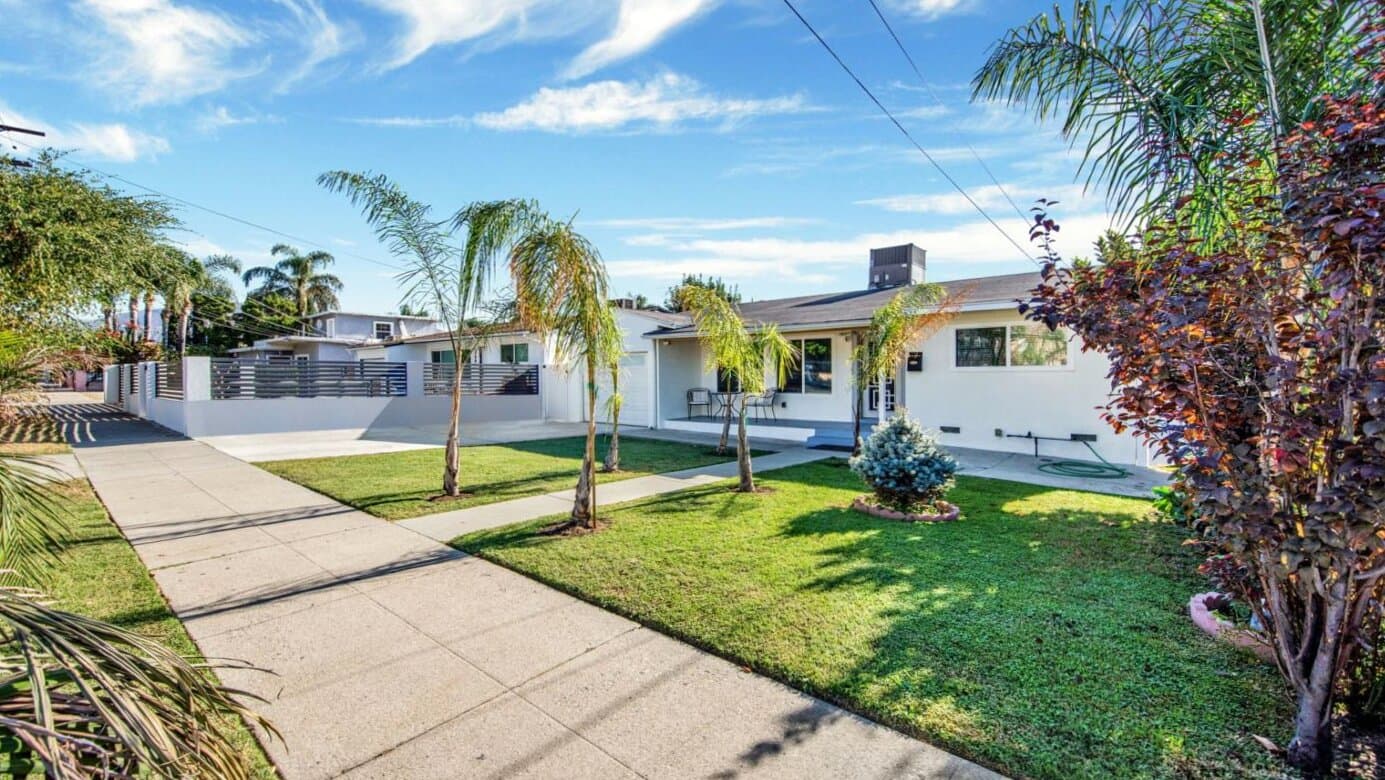
New Beginnings Detox and Recovery
Sylmar, CA
AlcoholAnxiety

New Leaf Detox and Treatment
Mallorca Laguna Niguel, CA
AlcoholAllow Cell Phones

Orchard Recovery
Cardiff by the Sea, CA
AlcoholBenzodiazepines

Paradigm Treatment - Malibu Teen Program
Malibu, CA
AdolescentsAnxiety
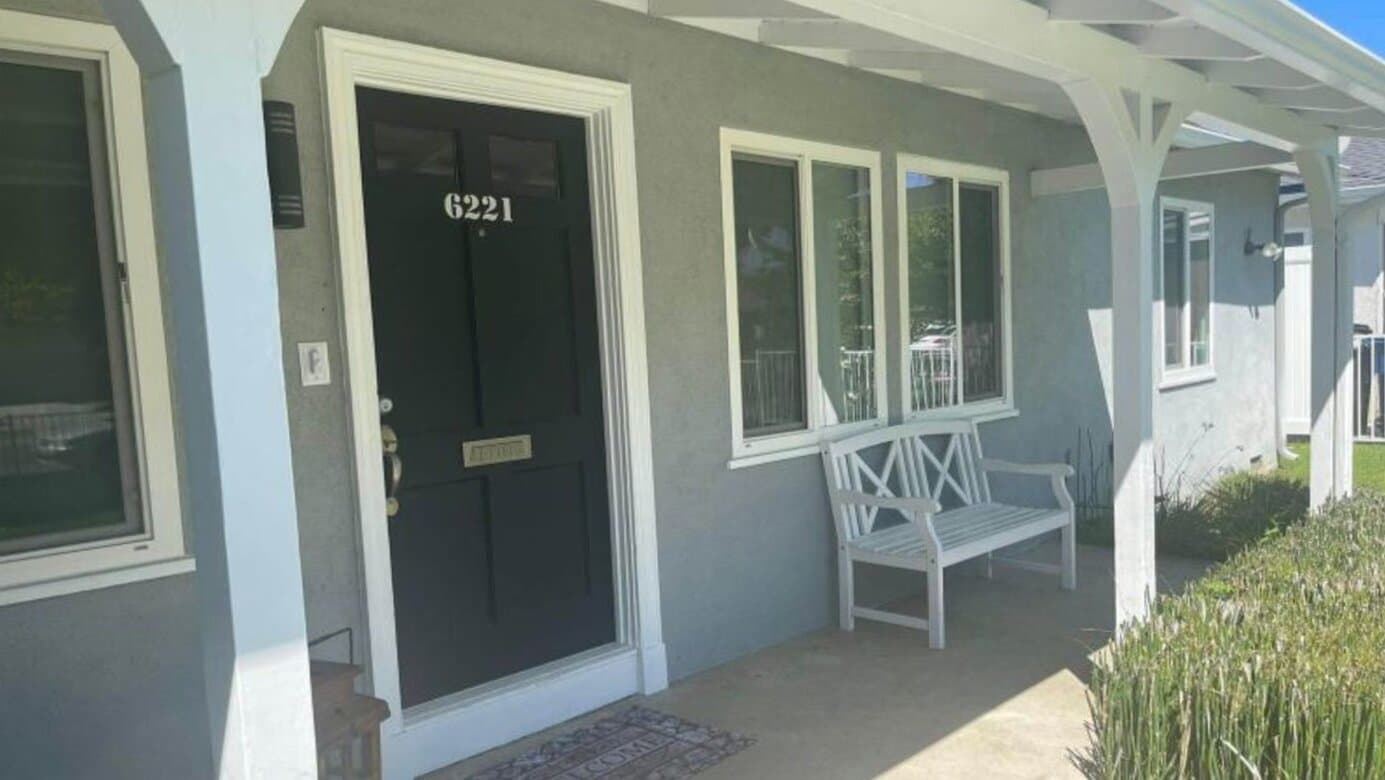
A New Vision Treatment Center
Los Angeles, CA
AlcoholDrug Addiction

Bellagio in the Desert
Lancaster, CA
Co-Occurring DisordersMedication-Assisted Treatment
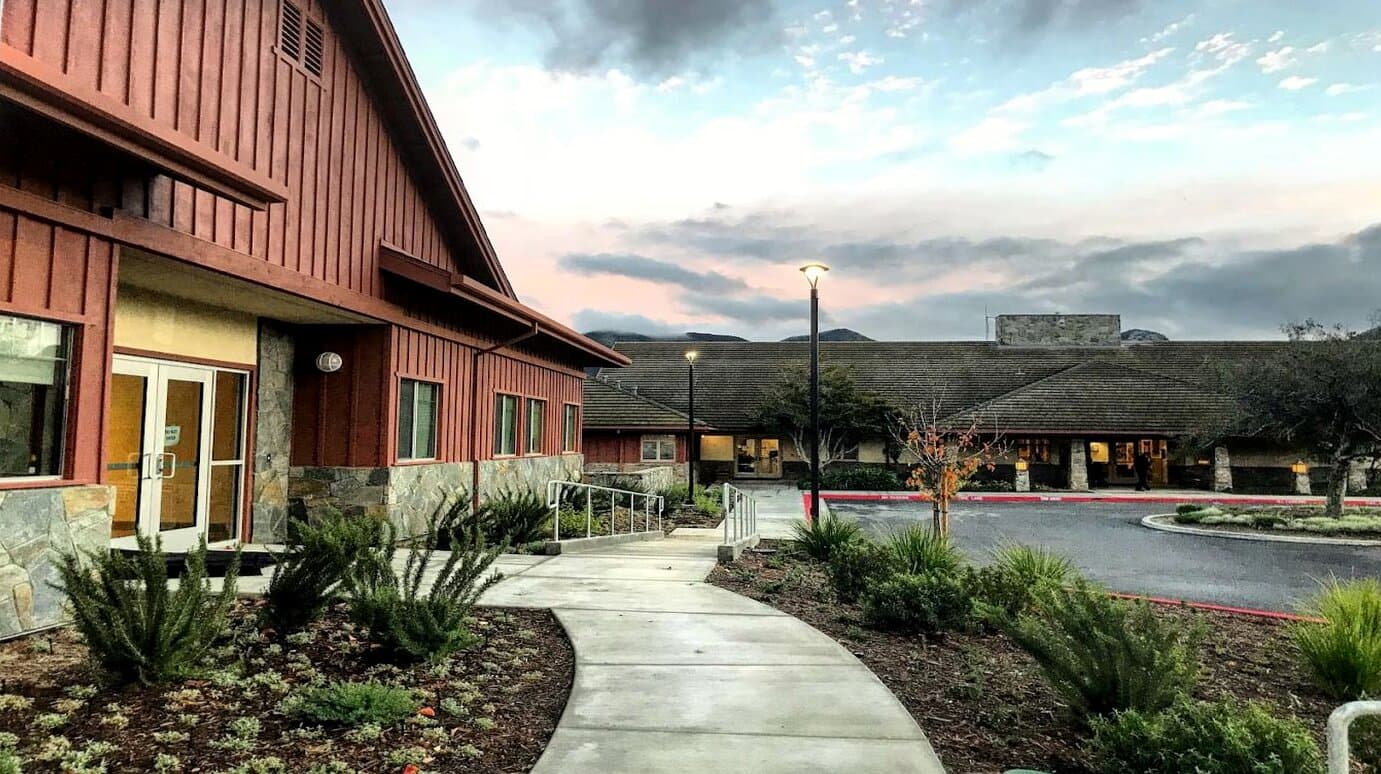
Camino a Casa
United States, CA
AdolescentsAnxiety

House of Life
Simi Valley, CA
AlcoholCocaine
What Is Inpatient Rehab?
Inpatient rehab — also called residential treatment — is a live-in program where clients stay at the facility for the duration of care, typically 30, 60, or 90 days. Removing day-to-day triggers and providing round-the-clock support gives people the focus and structure that early recovery often requires.
A typical day combines medical care, individual counseling, group therapy, and evidence-based treatment for the underlying causes of addiction. Because support is available at any hour, inpatient rehab is well suited to more severe substance use disorders and to people who have relapsed after other forms of treatment.
California faces diverse substance abuse challenges across urban and rural areas, with fentanyl overdoses and homelessness complicating addiction treatment. Choosing inpatient rehab in California keeps treatment close to your support network and connects you with programs familiar with local insurance and resources.
Who Inpatient Rehab Is Right For
- Severe or long-standing drug or alcohol addiction
- A history of relapse after outpatient treatment
- Co-occurring mental health conditions that need close monitoring
- An unstable, unsafe, or trigger-heavy home environment
- Anyone who needs medical detox before therapy begins
What to Expect
- A full medical and psychological assessment on admission
- Medically supervised detox when physical dependence is present
- Daily individual and group therapy with licensed clinicians
- A structured routine covering wellness, education, and life skills
- A personalized aftercare plan to support the transition home
Paying for Inpatient Rehab in California
Inpatient rehab is the most intensive — and typically the most costly — level of care, but most private insurance plans, Medicaid, and Medicare cover residential treatment when it is medically necessary.
Residents of California can pay for treatment through private insurance, Medicaid, Medicare, sliding-scale fees, payment plans, or state-funded programs. Cost should never be a barrier to care — call +1 (239) 241-8393 and we will verify your coverage for free.
Other Treatment Options in California
Inpatient Rehab is one level of care along a continuum. Explore other types of addiction treatment available in California:
Inpatient Rehab in California: FAQ
What is inpatient rehab?+
Inpatient rehab — also called residential treatment — is a live-in program where clients stay at the facility for the duration of care, typically 30, 60, or 90 days. Removing day-to-day triggers and providing round-the-clock support gives people the focus and structure that early recovery often requires.
How do I find inpatient rehab in California?+
This page lists 23 facilities offering inpatient rehab in California. Compare each center on the conditions it treats, accreditation, and the services it provides, then contact the facility directly — or call our free 24/7 helpline for personalized guidance and insurance verification.
How much does inpatient rehab cost in California?+
The cost of inpatient rehab in California depends on the program, its length, and the amenities offered. Inpatient rehab is the most intensive — and typically the most costly — level of care, but most private insurance plans, Medicaid, and Medicare cover residential treatment when it is medically necessary. Many California centers also offer payment plans, sliding-scale fees, and scholarships. Call us for a clear cost estimate before you commit.
Does insurance cover inpatient rehab in California?+
Yes. Under the Affordable Care Act and federal parity law, most health plans — including private insurance, California Medicaid, and Medicare — must cover medically necessary addiction treatment. Coverage depends on your specific plan; we verify benefits for free and confidentially.
Can I travel outside California for treatment?+
Yes. Many people choose to attend inpatient rehab in another state for greater privacy, a change of environment, or access to a specialized program. Our helpline can help you compare California options with out-of-state centers and coordinate admission either way.
Find Inpatient Rehab in California Today
Our compassionate team is available 24/7 to answer questions about inpatient & residential rehab, verify your insurance, and match you with the right California treatment center — free and completely confidential.
In an emergency, call 911. For free, confidential national support, contact SAMHSA's helpline at 1-800-662-4357 or dial 988 for the Suicide & Crisis Lifeline.