Loading...
Inpatient Rehab in Michigan
21 facilities offering inpatient rehab in Michigan
Live-in treatment with 24/7 medical and clinical support in a structured, substance-free environment.
Inpatient Rehab Centers in Michigan
Showing 21 of 21
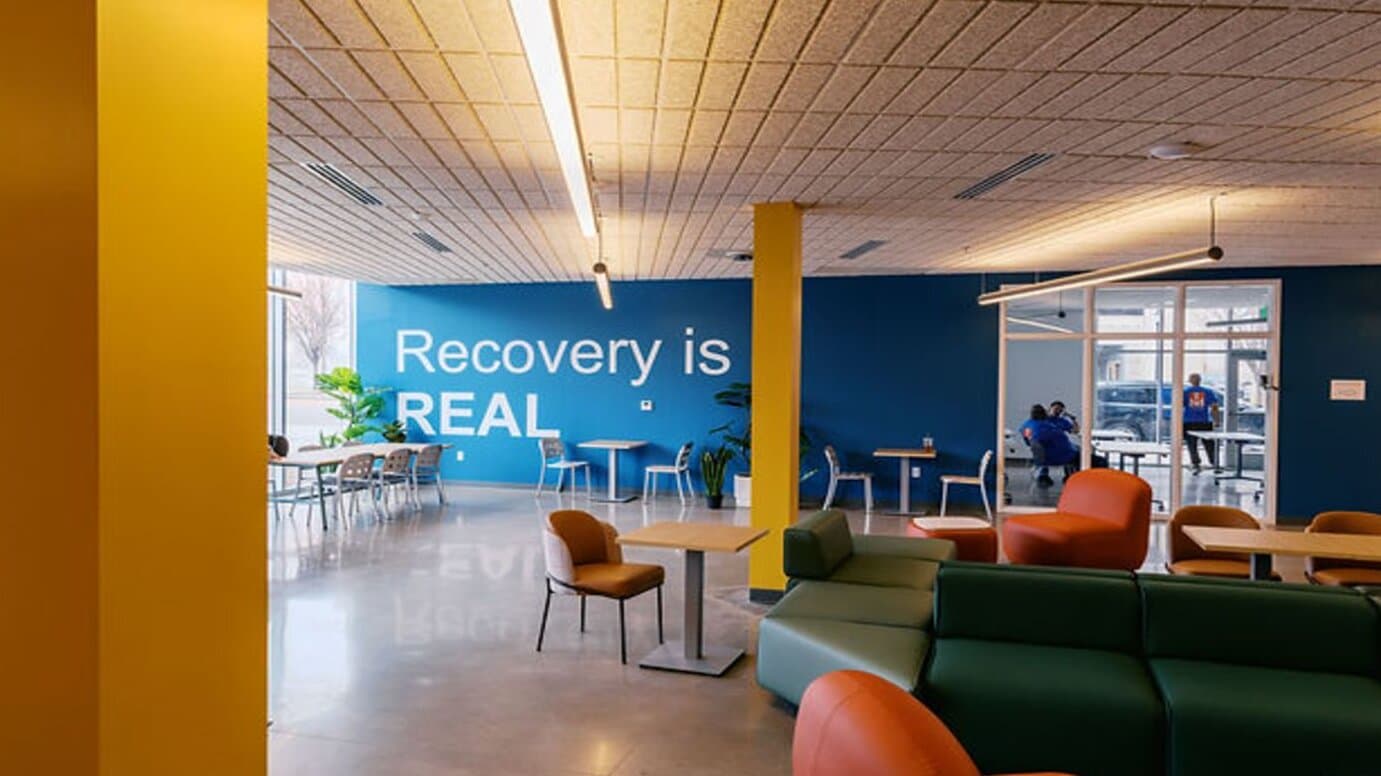
Mariners Inn
Detroit, MI
Co-Occurring DisordersDrug Addiction
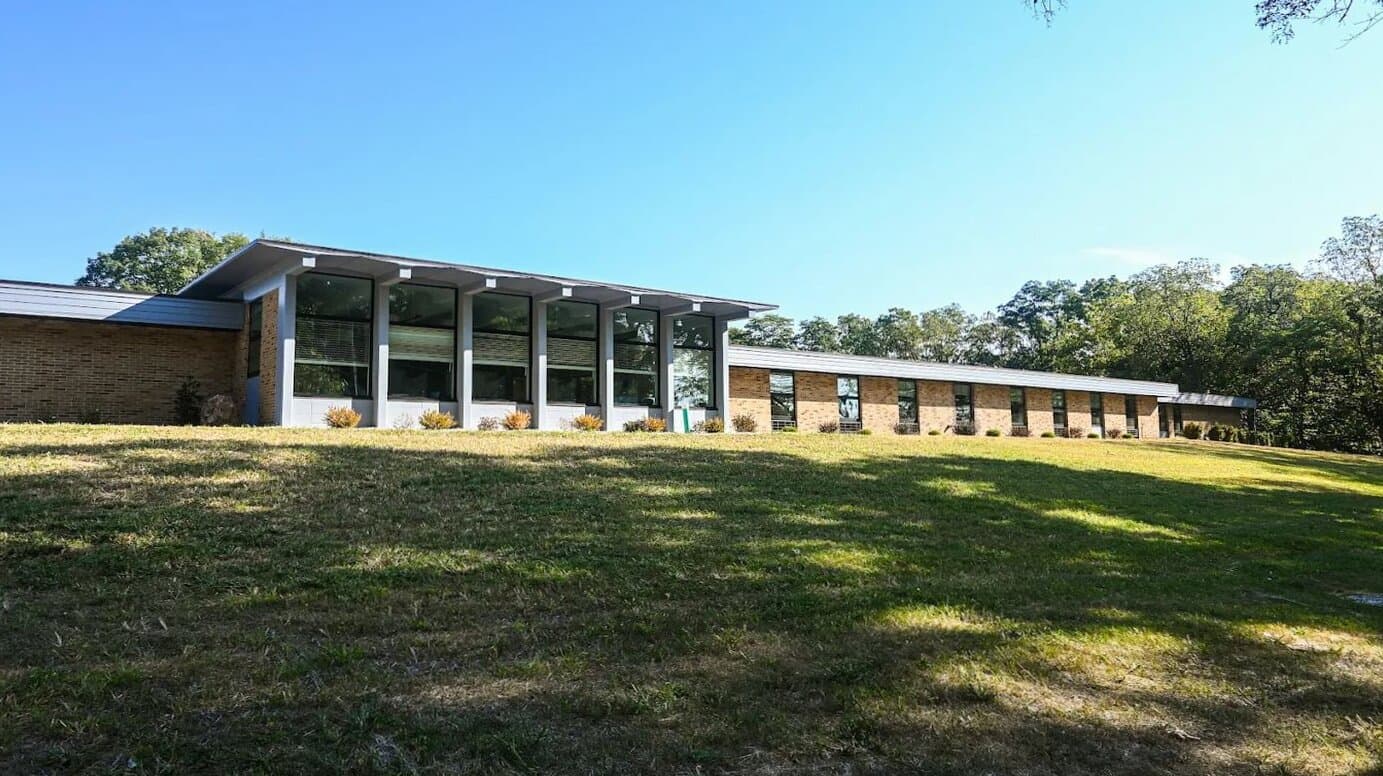
Enlightened Recovery Michigan
Kalamazoo, MI
AlcoholAnxiety

Liberty House
Fenton, MI
AlcoholCo-Occurring Disorders

Rushton Recovery
South Lyon, MI
AlcoholAllow Cell Phones

The Dawn Rehab
Ann Arbor, MI
AnxietyCocaine
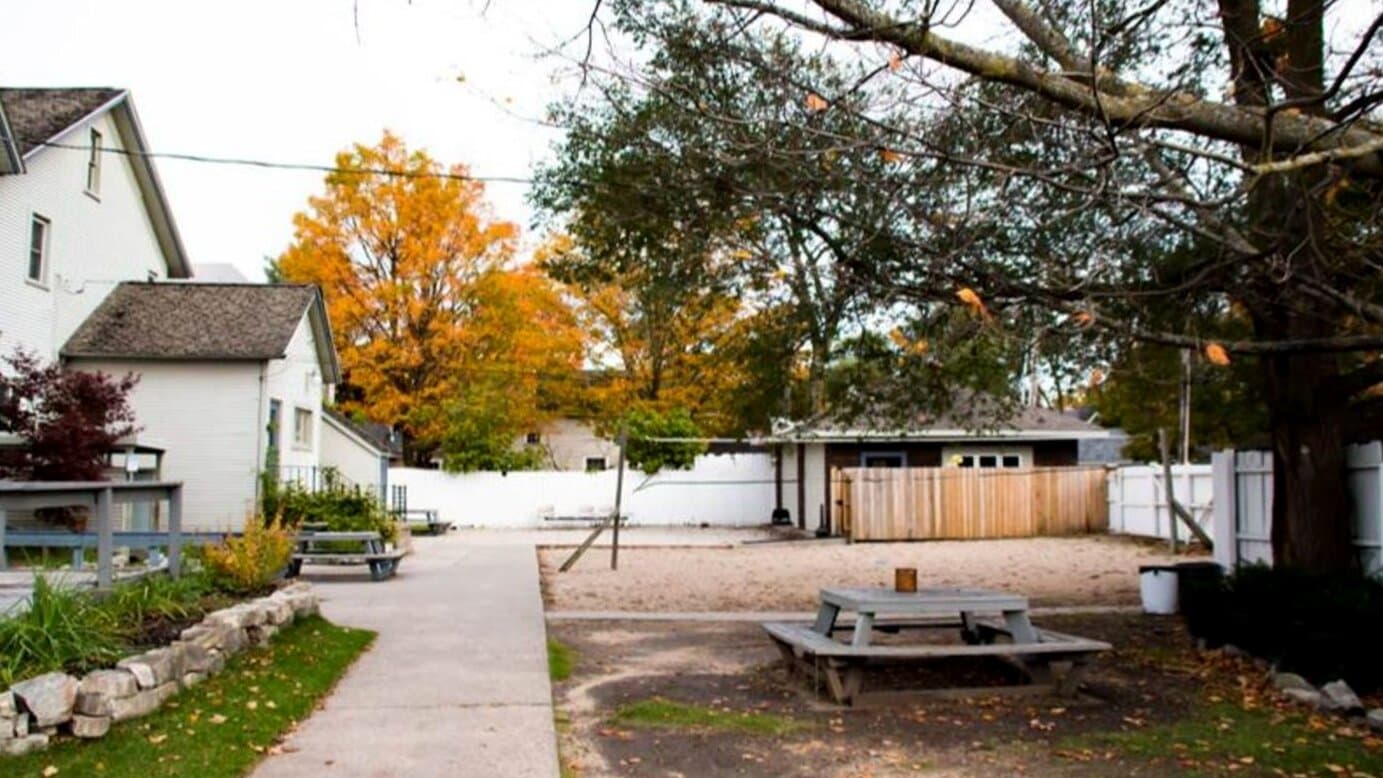
Addiction Treatment Services - Dakoske Hall
Traverse City, MI
AlcoholDrug Addiction
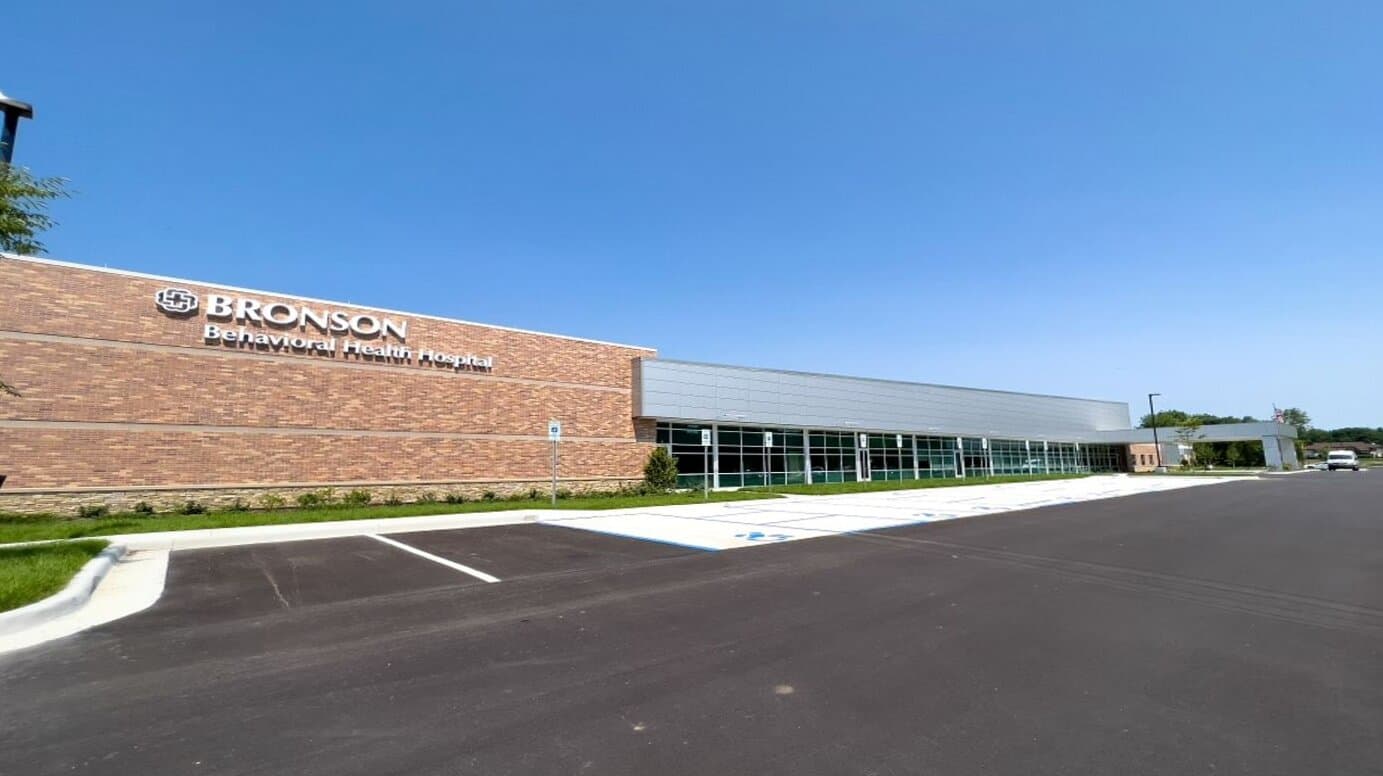
Bronson Behavioral Health
Battle Creek, MI
Allow Cell PhonesAnxiety
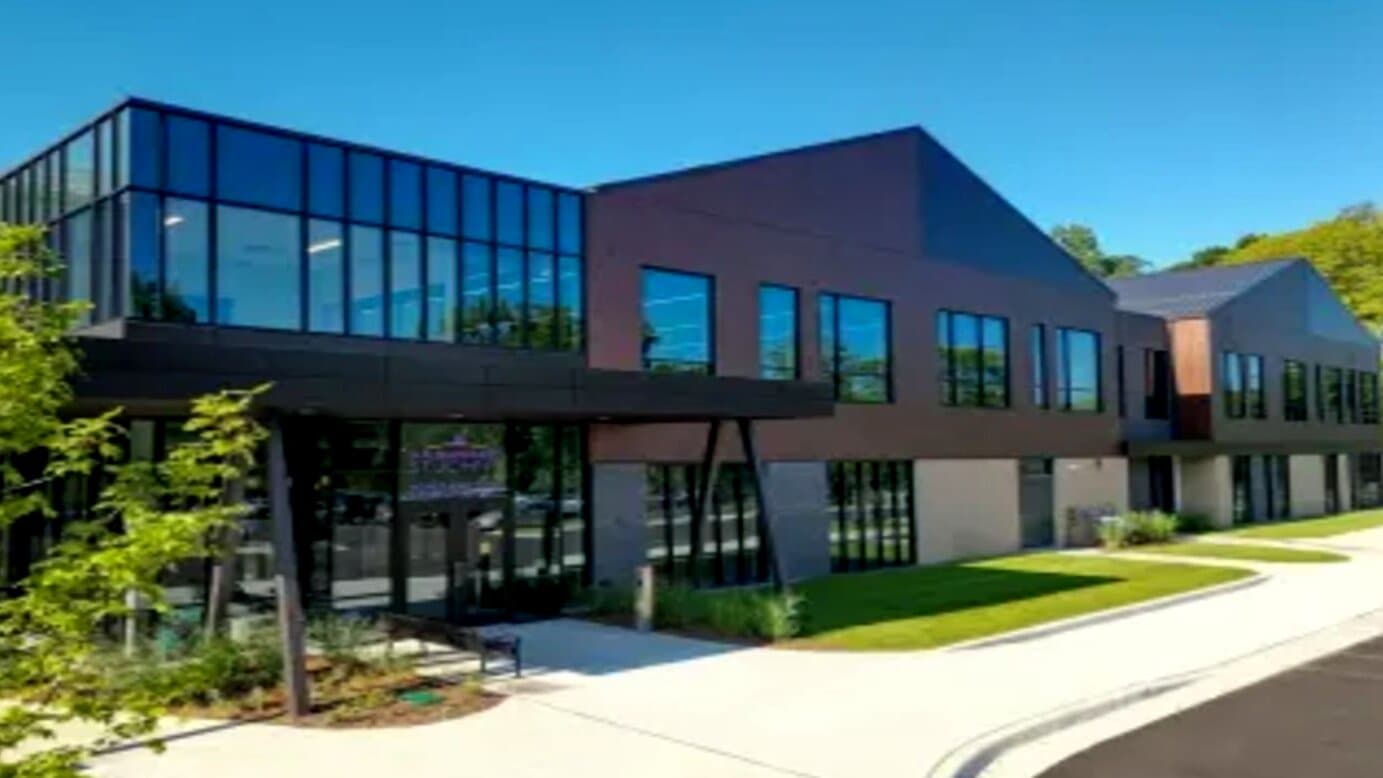
D.A. Blodgett St. John’s
Grand Rapids, MI
ChildrenDepression
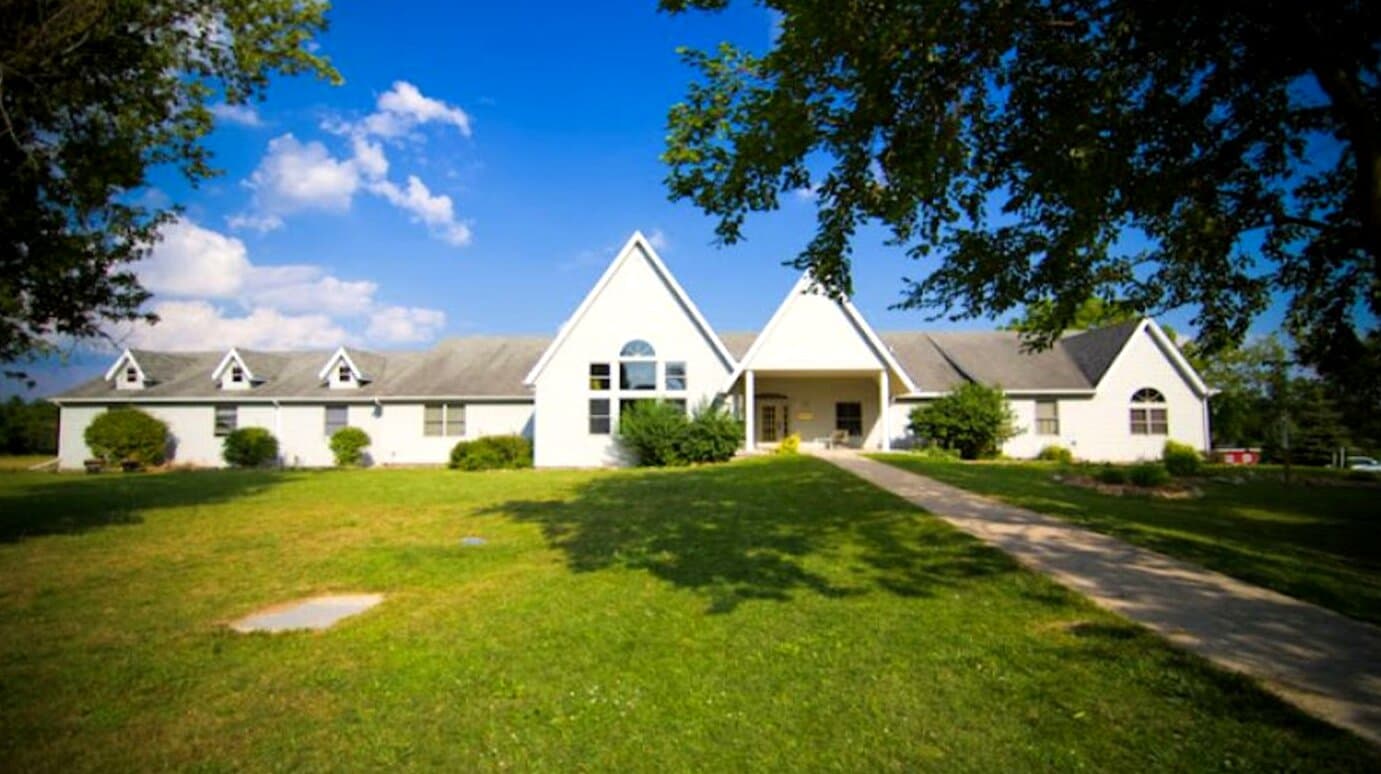
Dawn Farm
Ypsilanti, MI
AlcoholDrug Addiction
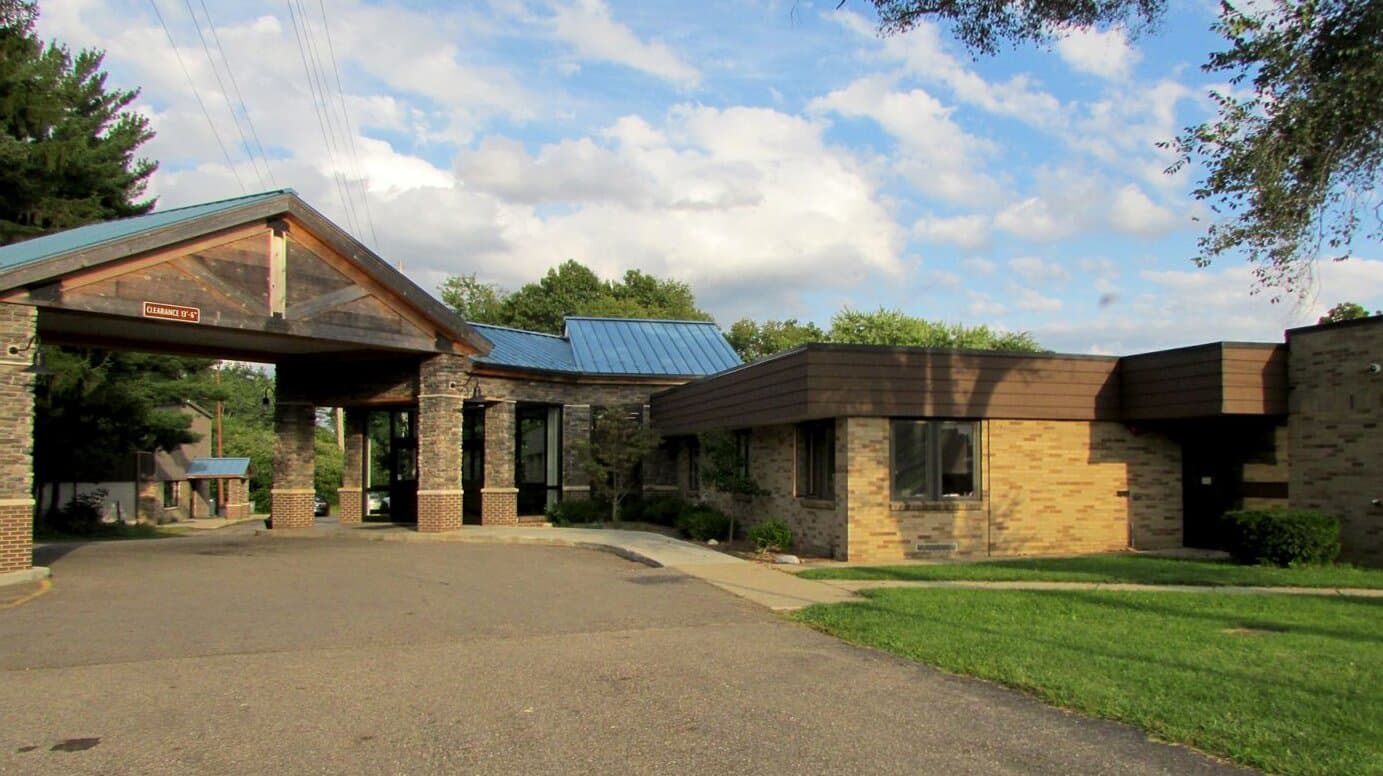
Gilmore Community Healing Center
Kalamazoo, MI
Pregnant WomenResidential
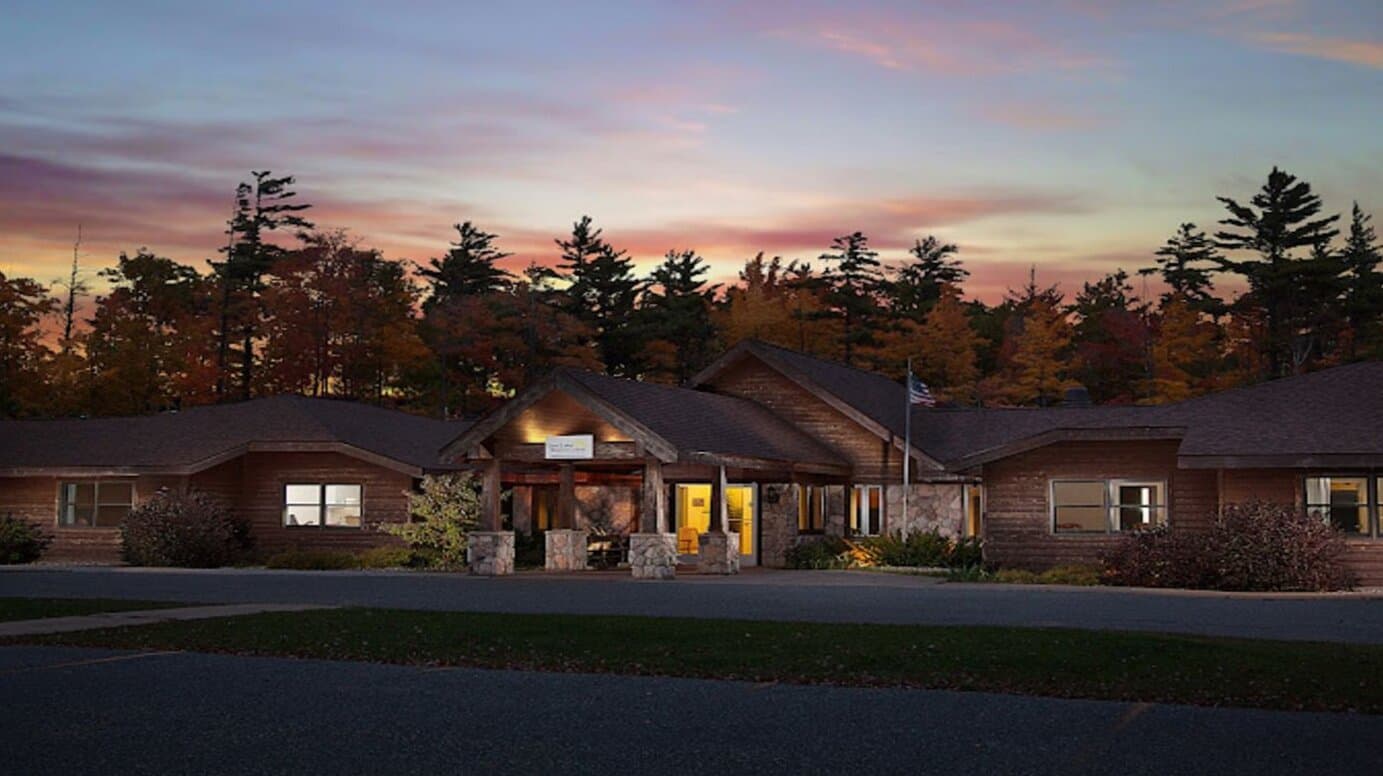
Great Lakes Recovery Adolescent Center
Negaunee, MI
AdolescentsCo-Occurring Disorders
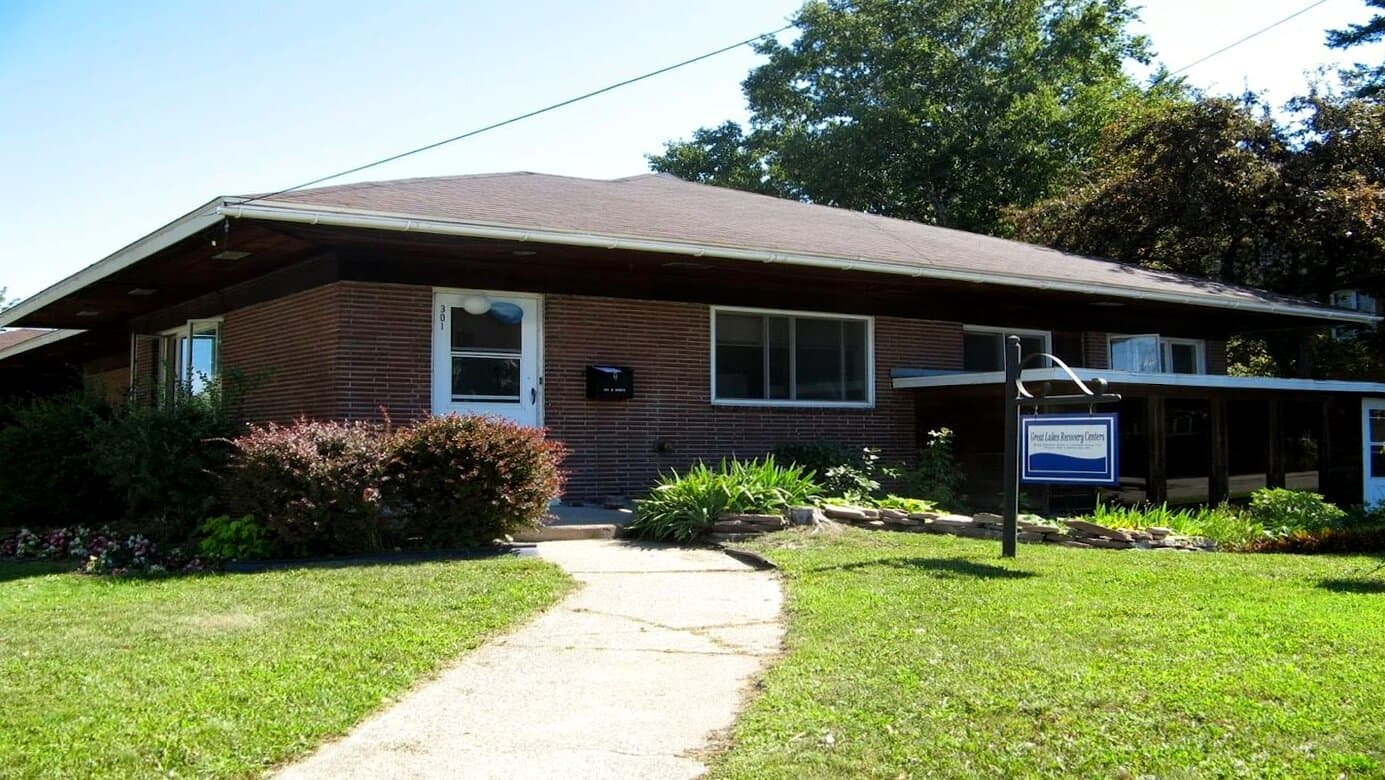
Great Lakes Recovery: New Hope Men's
Sault Ste. Marie, MI
Gender-Specific
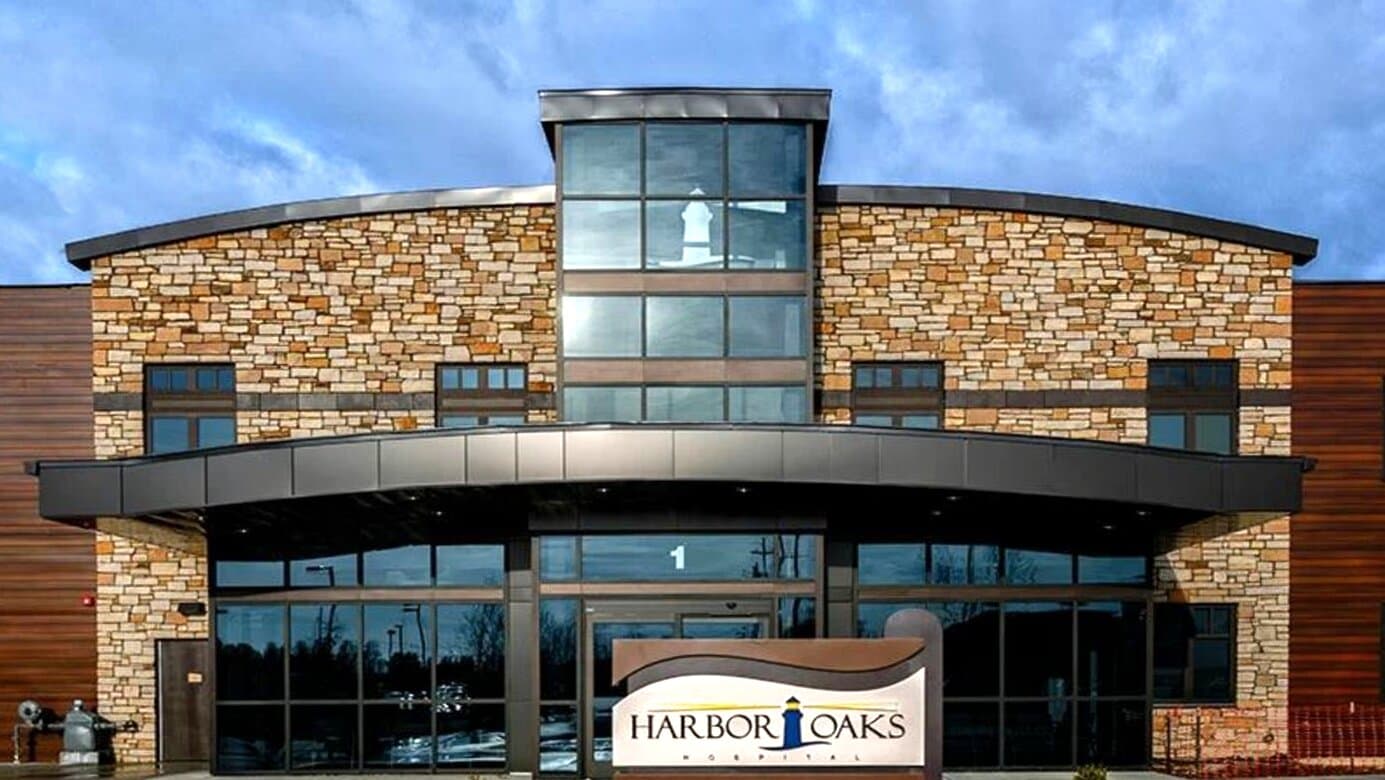
Harbor Oaks
New Baltimore, MI
AnxietyBipolar
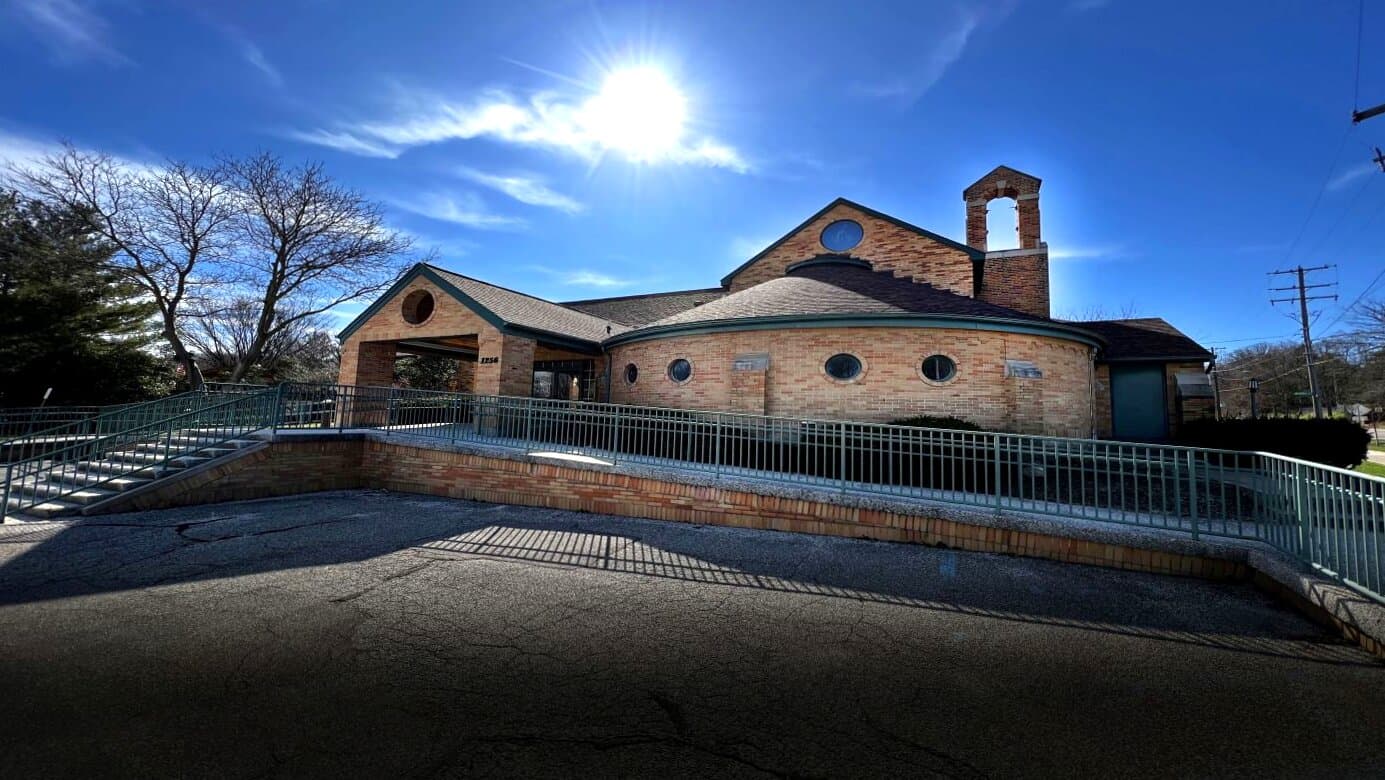
Our Hope Association
Grand Rapids, MI
AlcoholCo-Occurring Disorders
Phoenix House Substance Abuse Treatment
Calumet, MI
Co-Occurring DisordersDrug Addiction
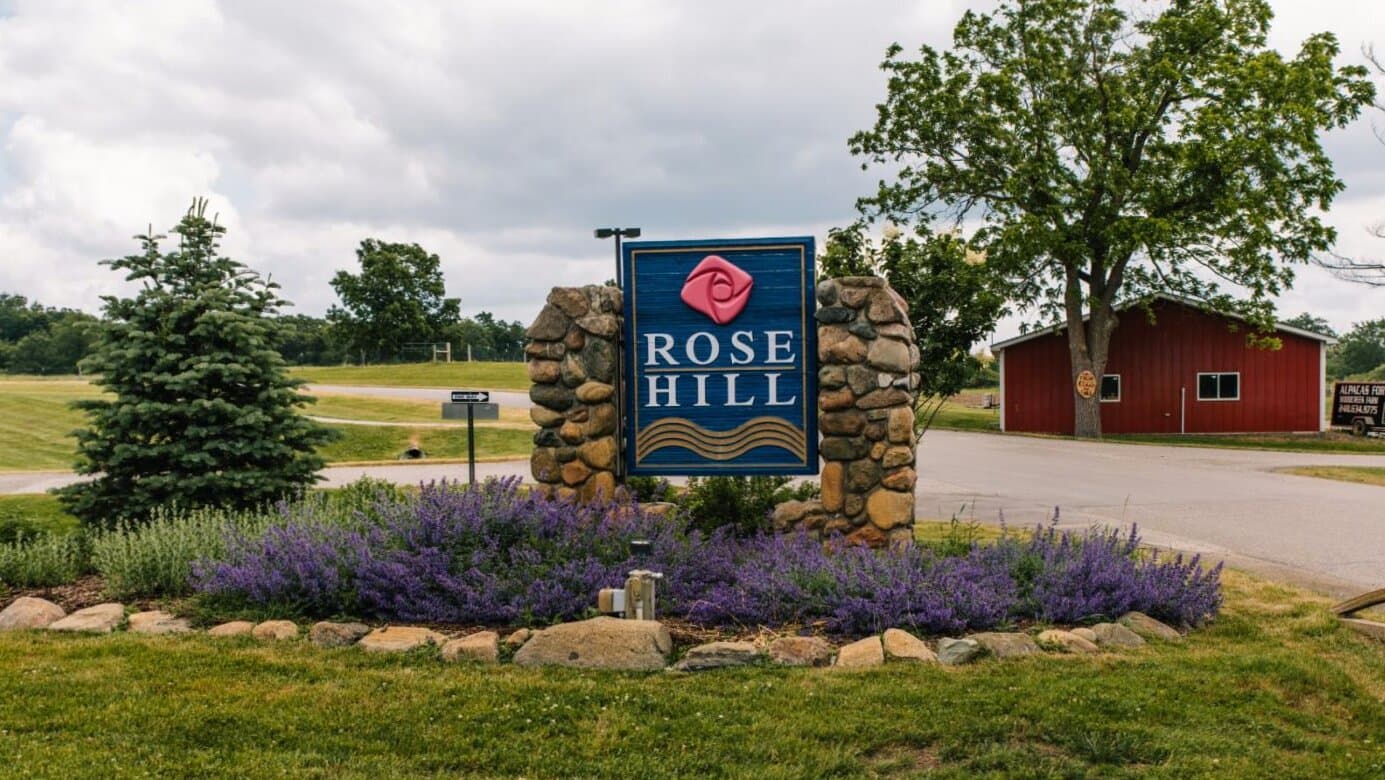
Rose Hill Center
Holly, MI
BipolarDepression

Ten16 Recovery Network Eastman House
Midland, MI
AlcoholCo-Occurring Disorders
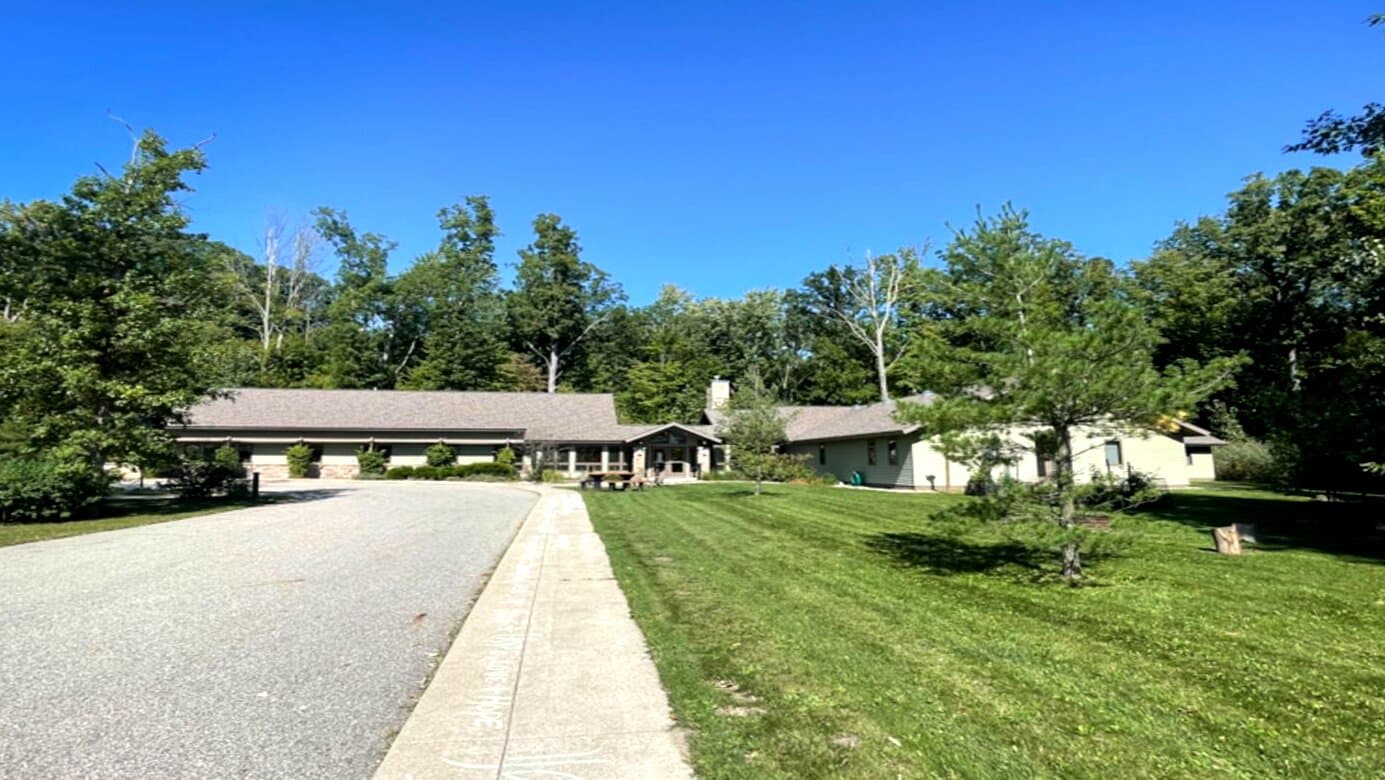
Ten16 Recovery Network Midland Residential
(M20) Midland, MI
AlcoholCo-Occurring Disorders
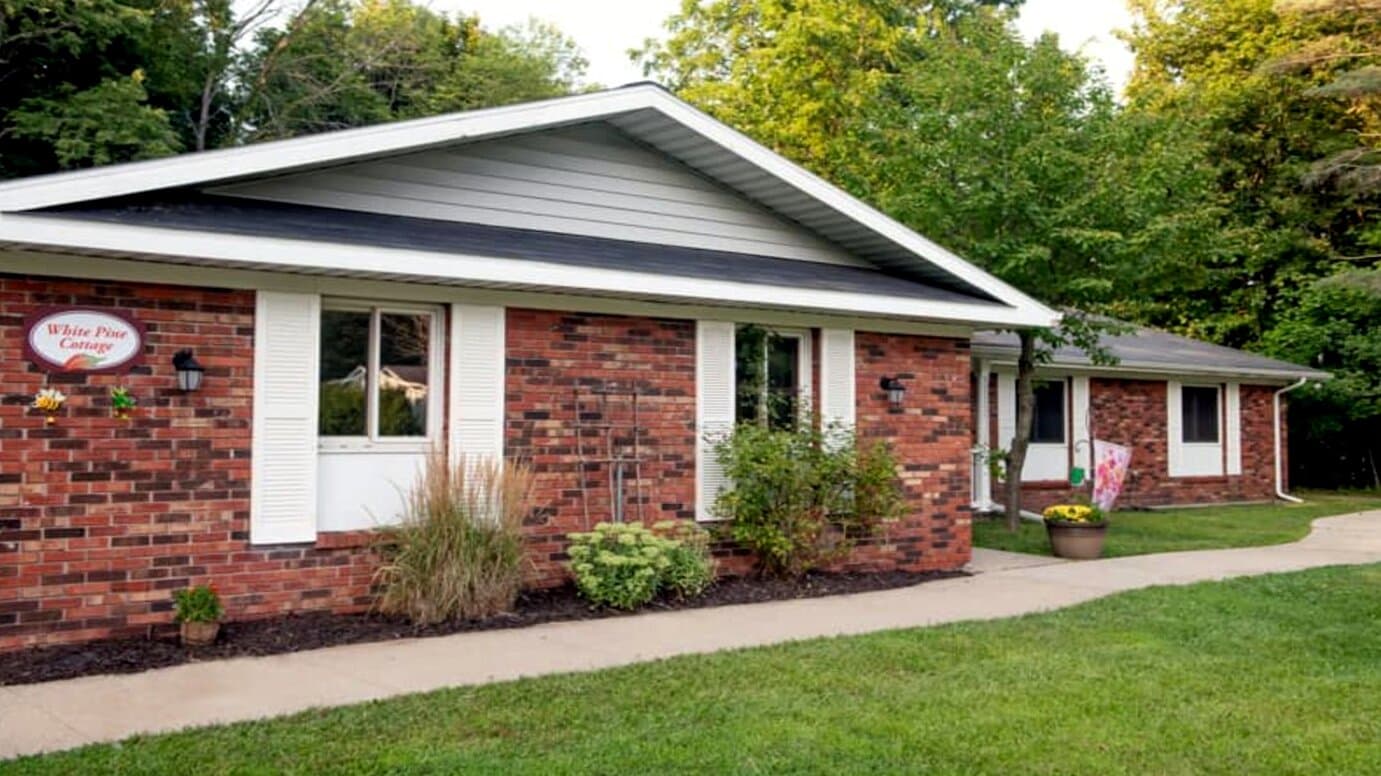
Turning Leaf
Lansing, MI
AlcoholDrug Addiction
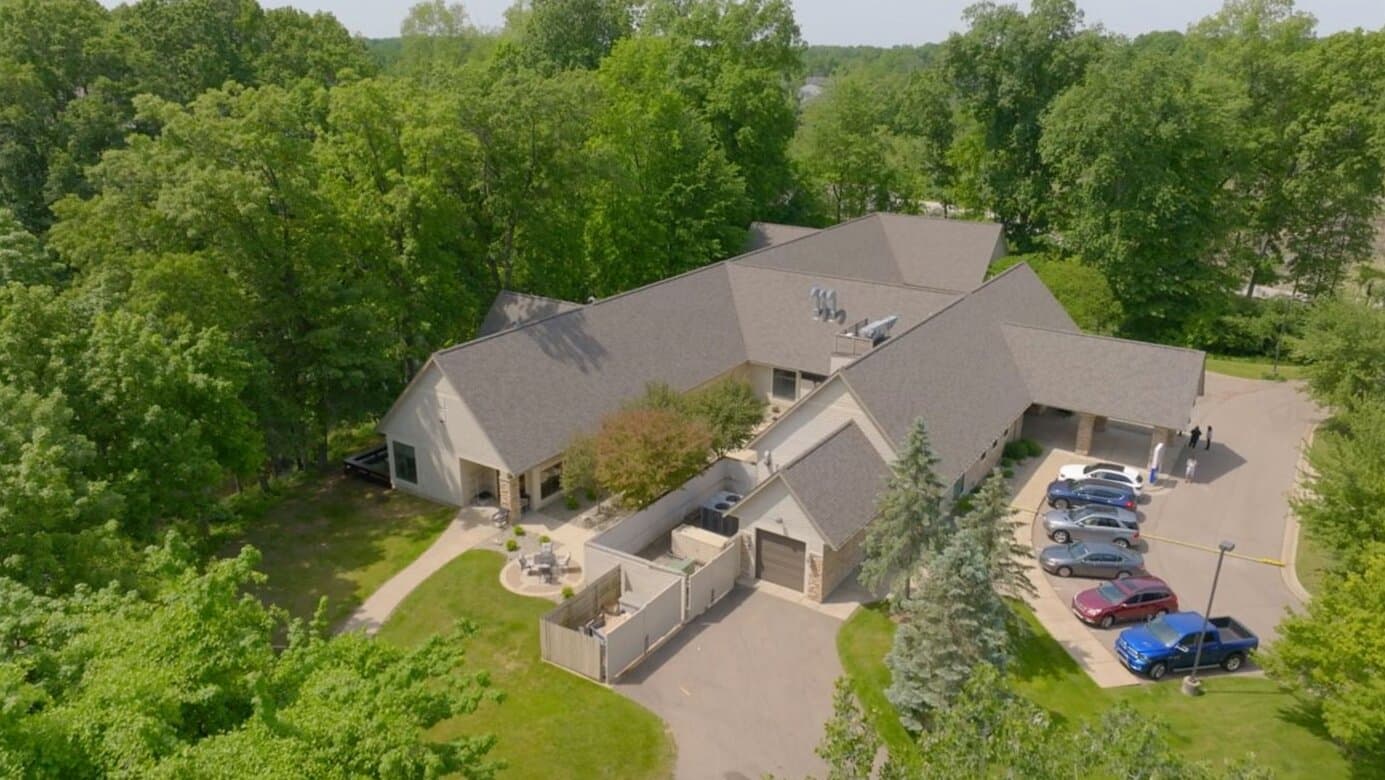
Wellness and Recovery Rehab
Battle Creek, MI
AlcoholCo-Occurring Disorders
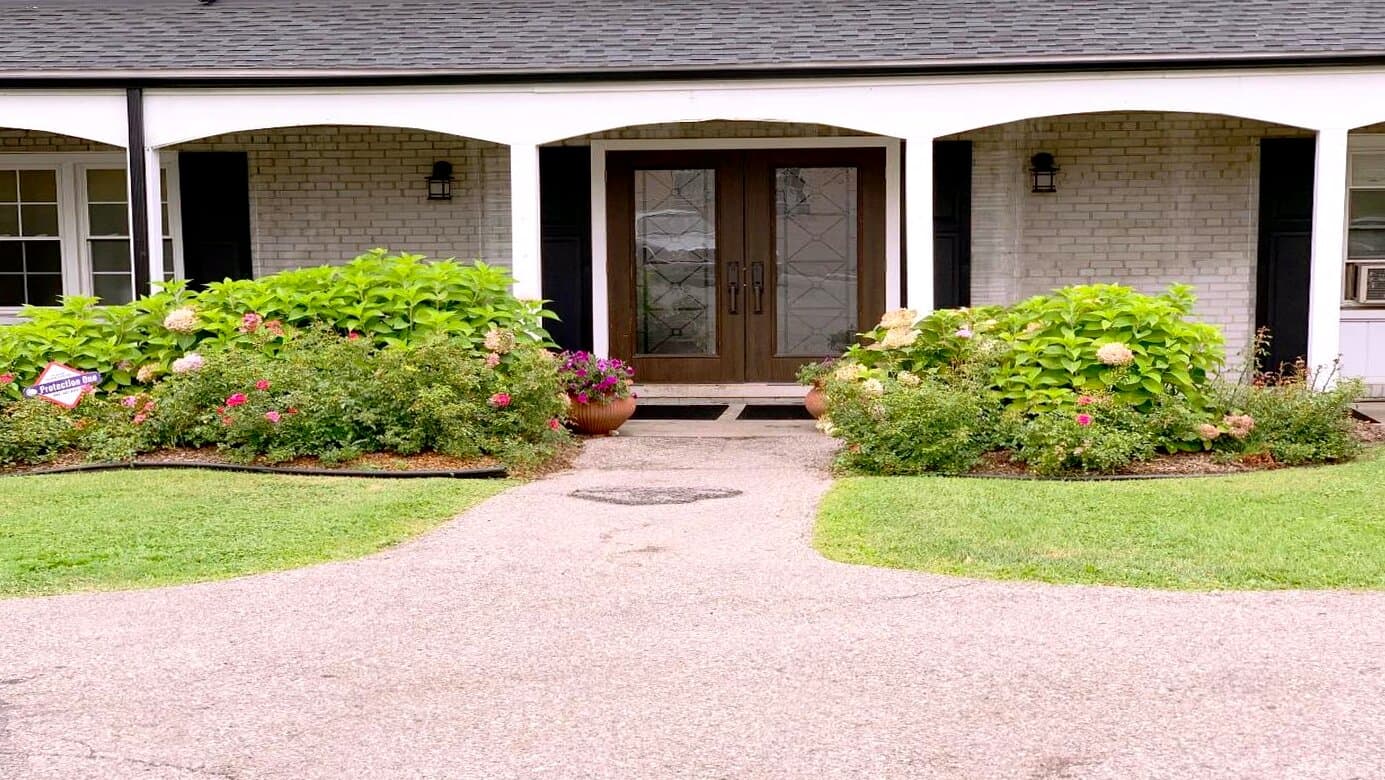
Christ Child House
Detroit, MI
AngerDepression
What Is Inpatient Rehab?
Inpatient rehab — also called residential treatment — is a live-in program where clients stay at the facility for the duration of care, typically 30, 60, or 90 days. Removing day-to-day triggers and providing round-the-clock support gives people the focus and structure that early recovery often requires.
A typical day combines medical care, individual counseling, group therapy, and evidence-based treatment for the underlying causes of addiction. Because support is available at any hour, inpatient rehab is well suited to more severe substance use disorders and to people who have relapsed after other forms of treatment.
Michigan faces significant opioid and methamphetamine challenges, with overdose rates particularly high in urban and rural areas. Choosing inpatient rehab in Michigan keeps treatment close to your support network and connects you with programs familiar with local insurance and resources.
Who Inpatient Rehab Is Right For
- Severe or long-standing drug or alcohol addiction
- A history of relapse after outpatient treatment
- Co-occurring mental health conditions that need close monitoring
- An unstable, unsafe, or trigger-heavy home environment
- Anyone who needs medical detox before therapy begins
What to Expect
- A full medical and psychological assessment on admission
- Medically supervised detox when physical dependence is present
- Daily individual and group therapy with licensed clinicians
- A structured routine covering wellness, education, and life skills
- A personalized aftercare plan to support the transition home
Paying for Inpatient Rehab in Michigan
Inpatient rehab is the most intensive — and typically the most costly — level of care, but most private insurance plans, Medicaid, and Medicare cover residential treatment when it is medically necessary.
Residents of Michigan can pay for treatment through private insurance, Medicaid, Medicare, sliding-scale fees, payment plans, or state-funded programs. Cost should never be a barrier to care — call +1 (239) 241-8393 and we will verify your coverage for free.
Other Treatment Options in Michigan
Inpatient Rehab is one level of care along a continuum. Explore other types of addiction treatment available in Michigan:
Inpatient Rehab in Michigan: FAQ
What is inpatient rehab?+
Inpatient rehab — also called residential treatment — is a live-in program where clients stay at the facility for the duration of care, typically 30, 60, or 90 days. Removing day-to-day triggers and providing round-the-clock support gives people the focus and structure that early recovery often requires.
How do I find inpatient rehab in Michigan?+
This page lists 21 facilities offering inpatient rehab in Michigan. Compare each center on the conditions it treats, accreditation, and the services it provides, then contact the facility directly — or call our free 24/7 helpline for personalized guidance and insurance verification.
How much does inpatient rehab cost in Michigan?+
The cost of inpatient rehab in Michigan depends on the program, its length, and the amenities offered. Inpatient rehab is the most intensive — and typically the most costly — level of care, but most private insurance plans, Medicaid, and Medicare cover residential treatment when it is medically necessary. Many Michigan centers also offer payment plans, sliding-scale fees, and scholarships. Call us for a clear cost estimate before you commit.
Does insurance cover inpatient rehab in Michigan?+
Yes. Under the Affordable Care Act and federal parity law, most health plans — including private insurance, Michigan Medicaid, and Medicare — must cover medically necessary addiction treatment. Coverage depends on your specific plan; we verify benefits for free and confidentially.
Can I travel outside Michigan for treatment?+
Yes. Many people choose to attend inpatient rehab in another state for greater privacy, a change of environment, or access to a specialized program. Our helpline can help you compare Michigan options with out-of-state centers and coordinate admission either way.
Find Inpatient Rehab in Michigan Today
Our compassionate team is available 24/7 to answer questions about inpatient & residential rehab, verify your insurance, and match you with the right Michigan treatment center — free and completely confidential.
In an emergency, call 911. For free, confidential national support, contact SAMHSA's helpline at 1-800-662-4357 or dial 988 for the Suicide & Crisis Lifeline.